Start with a duty description
A useful centrifugal pump selection begins with the job the pump must perform. Describe the liquid, required flow and head, inlet conditions, installation and electrical supply before comparing series names. These details let the buyer and supplier discuss the same operating requirement and identify which assumptions still need engineering confirmation.
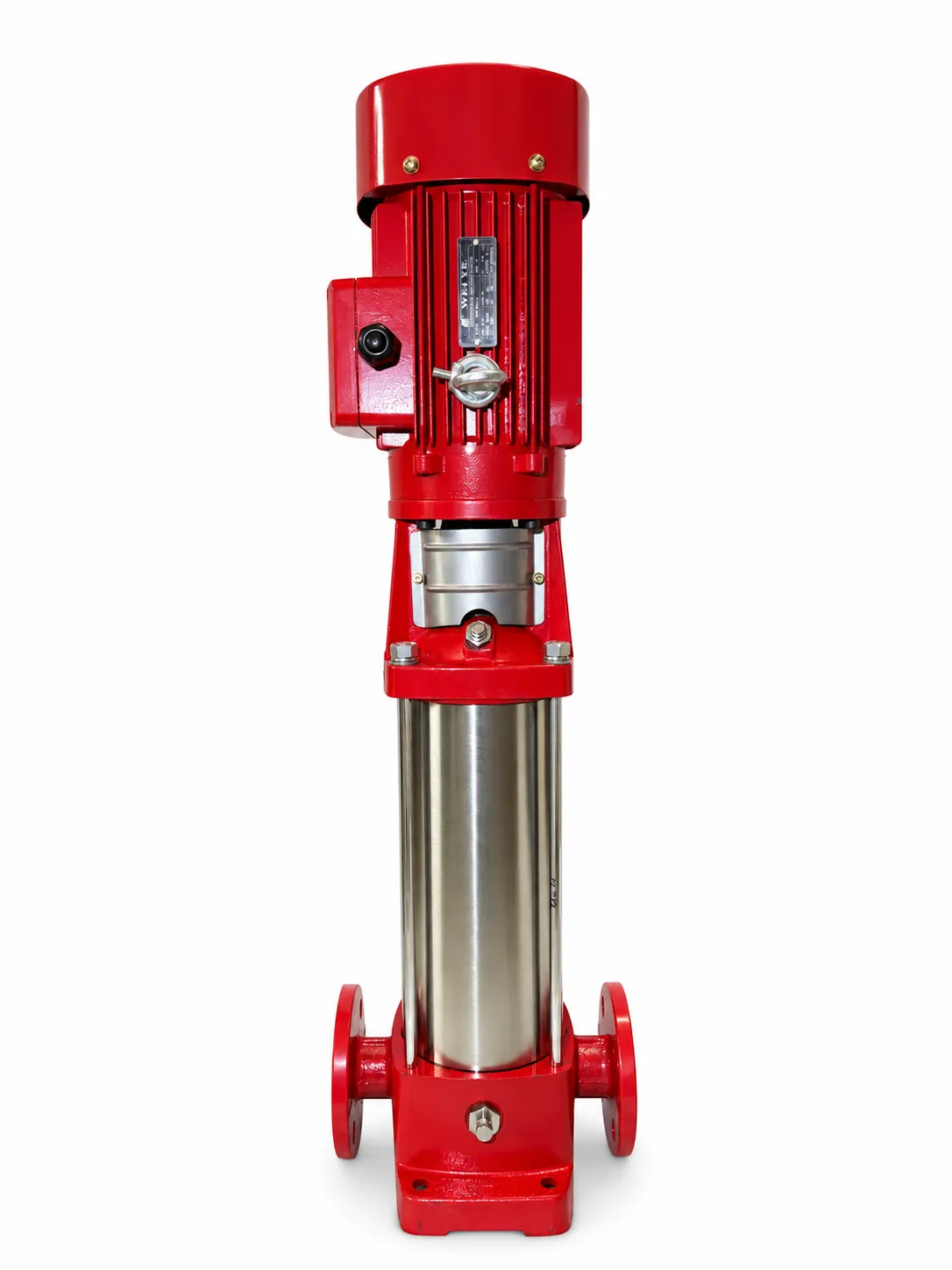
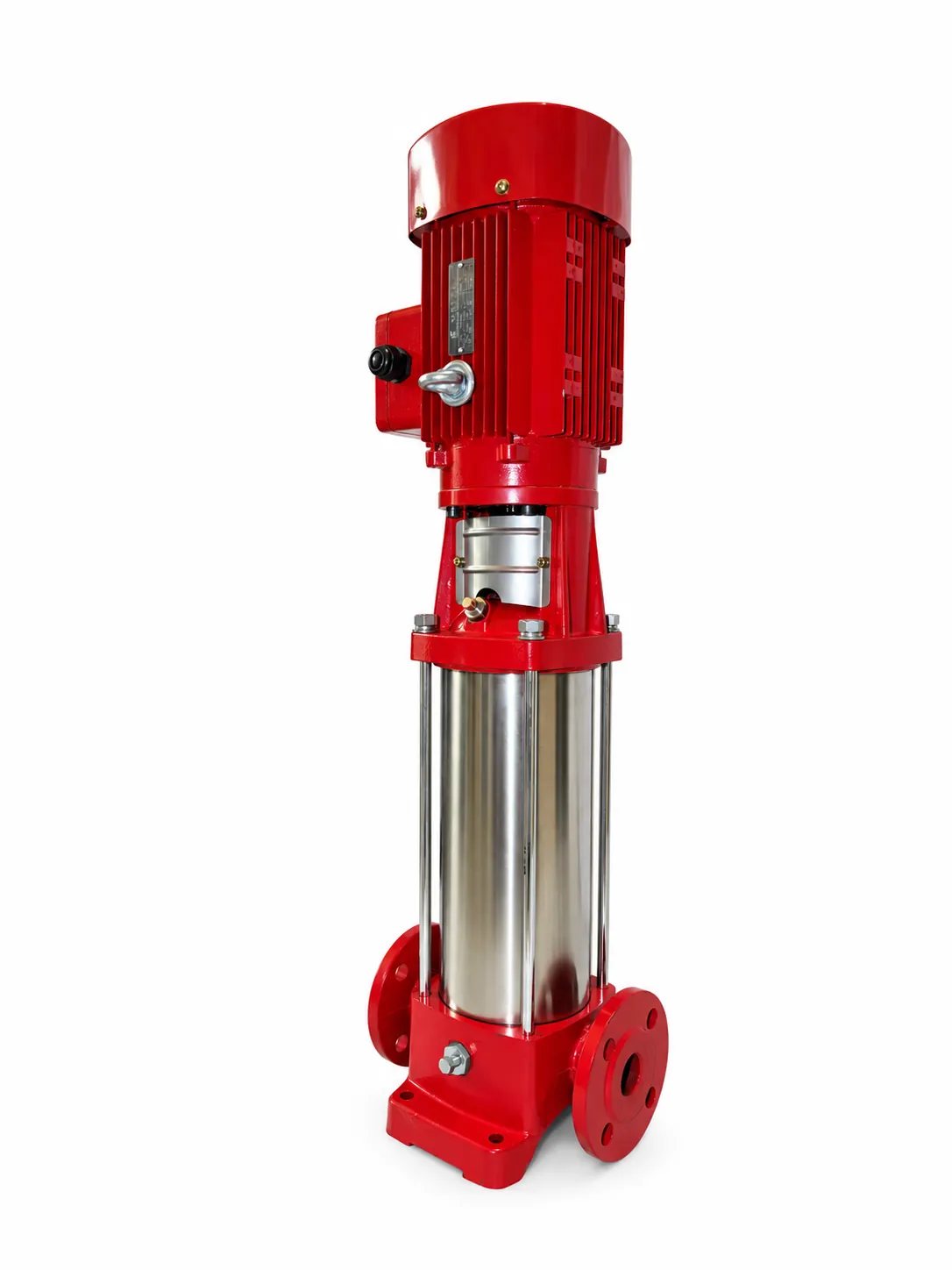
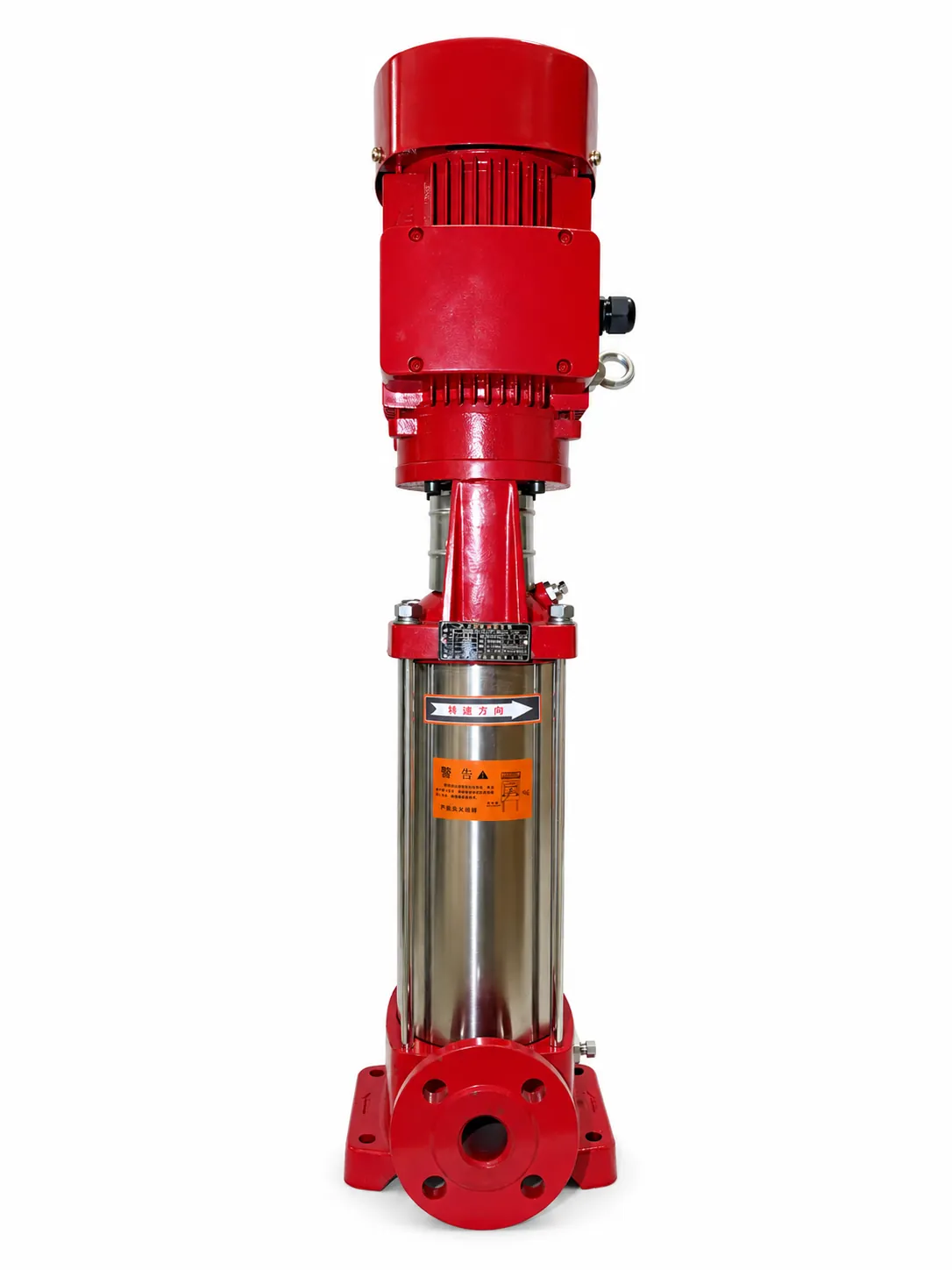
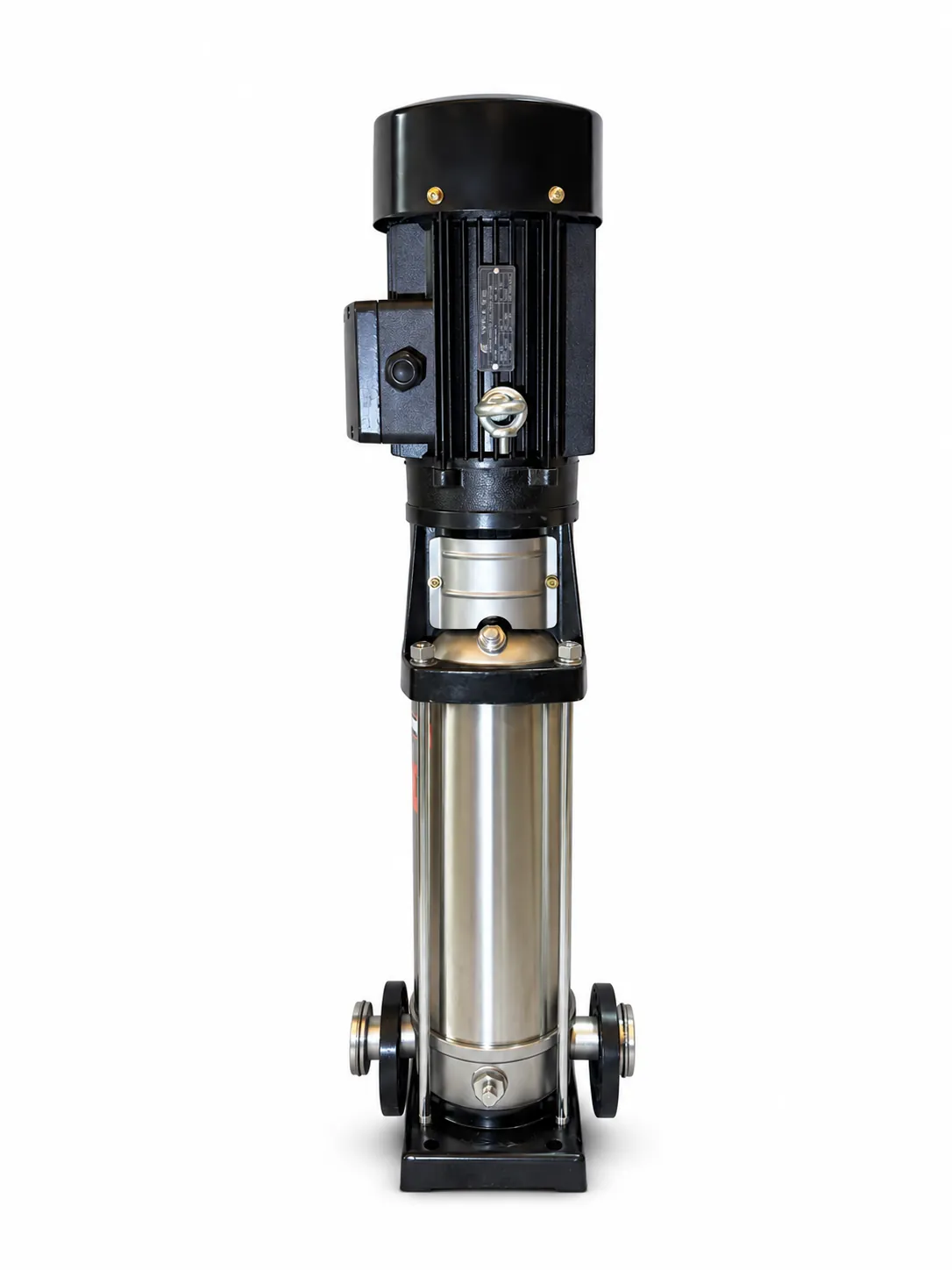
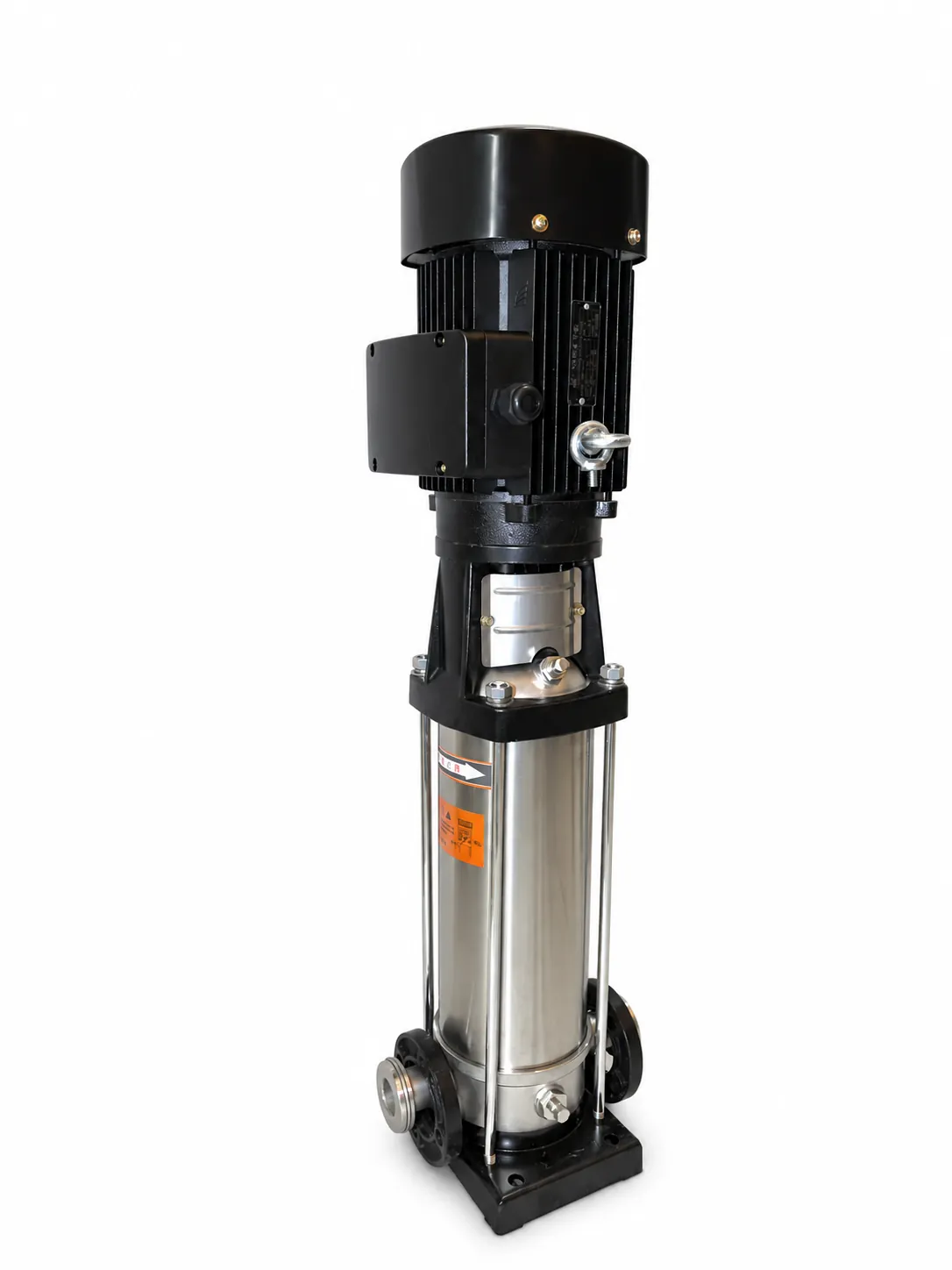
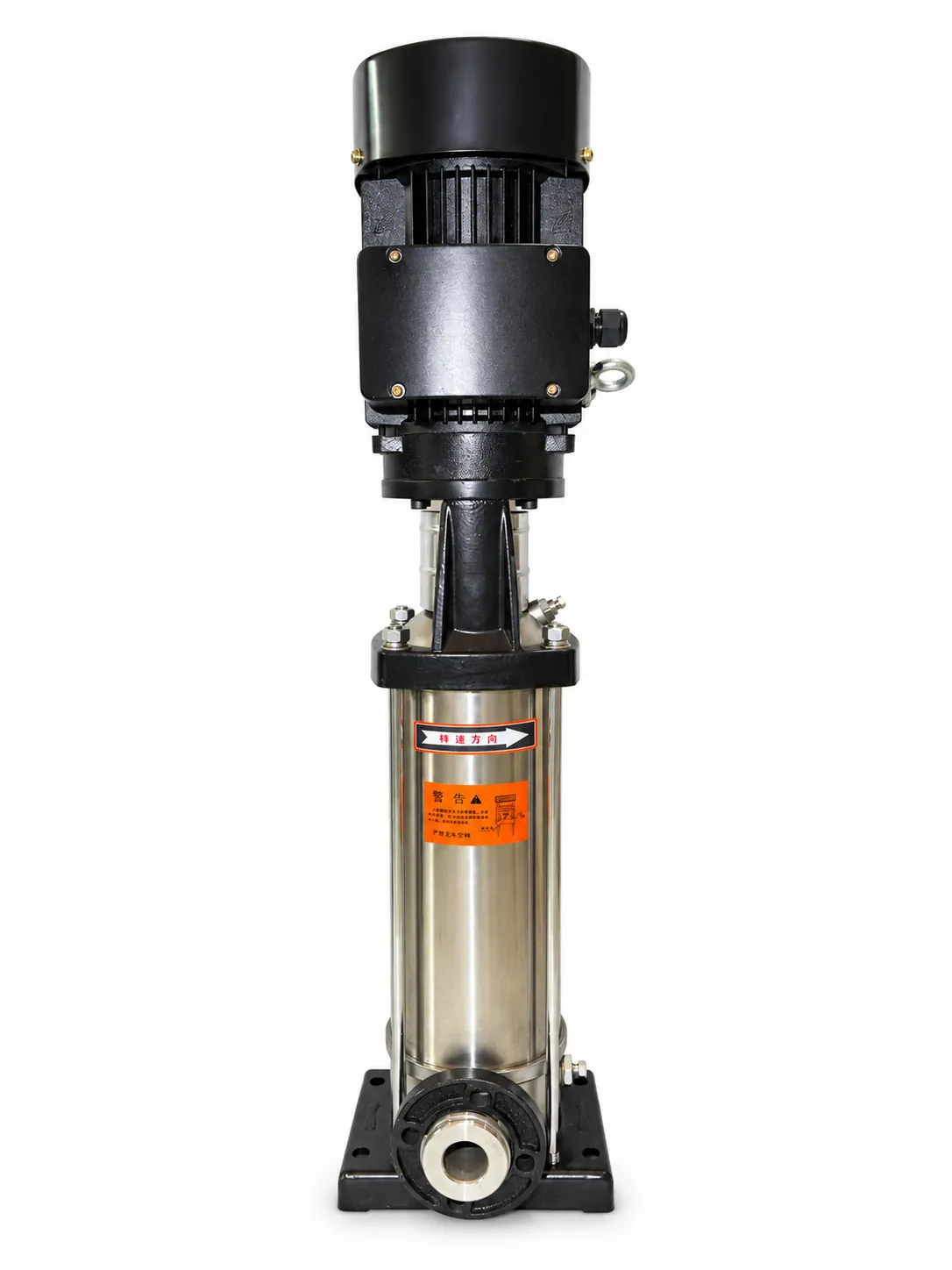
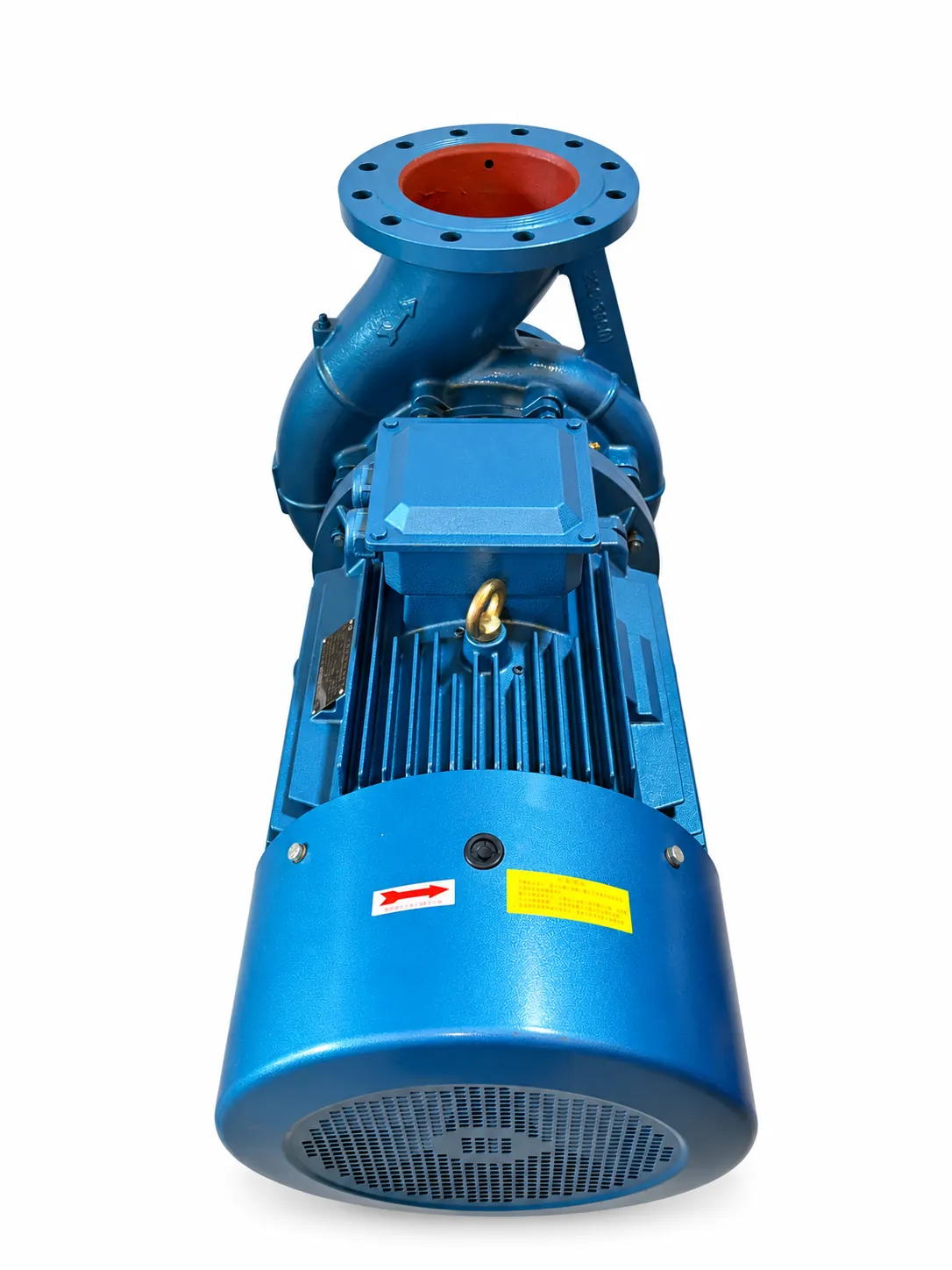
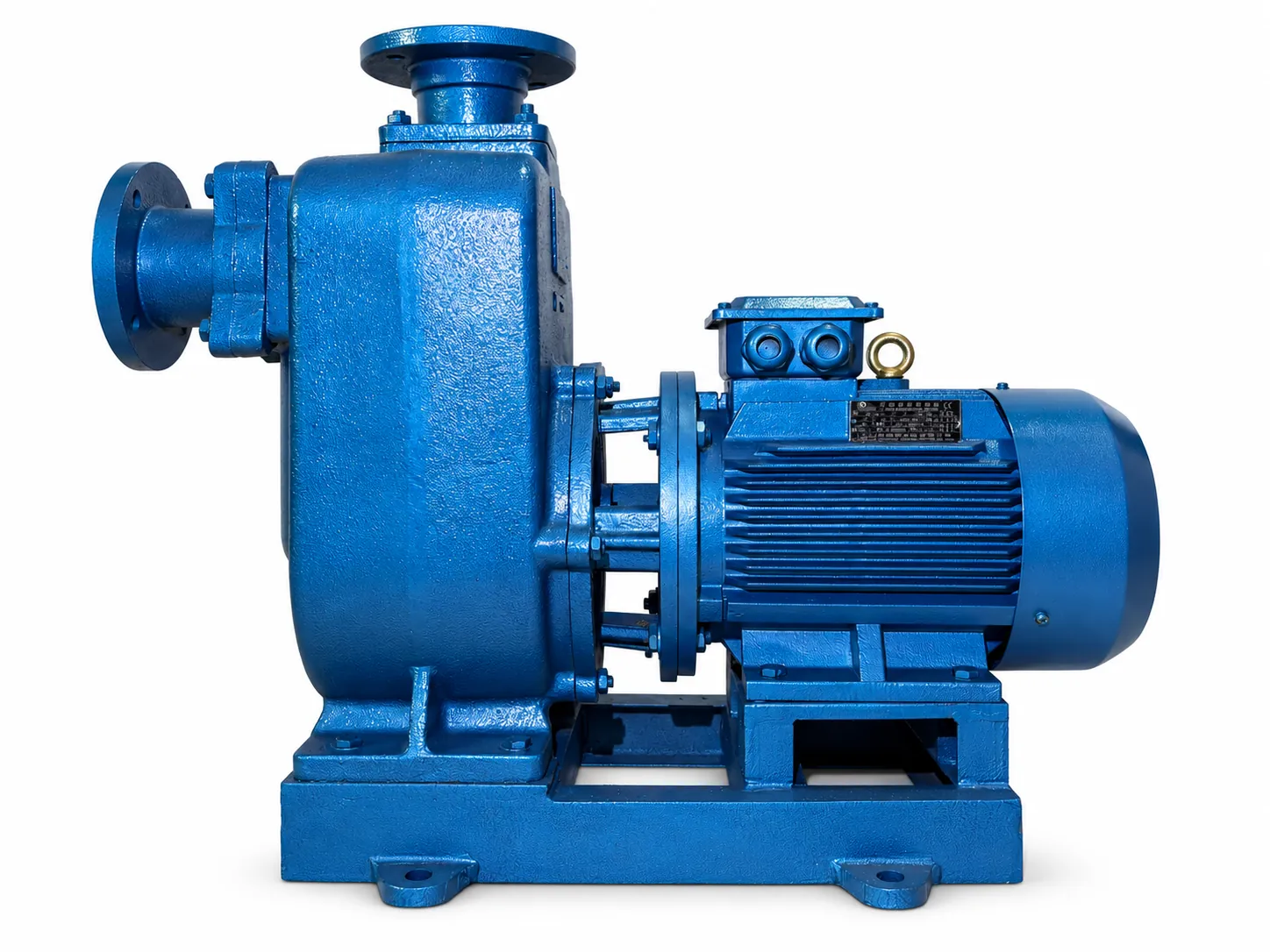
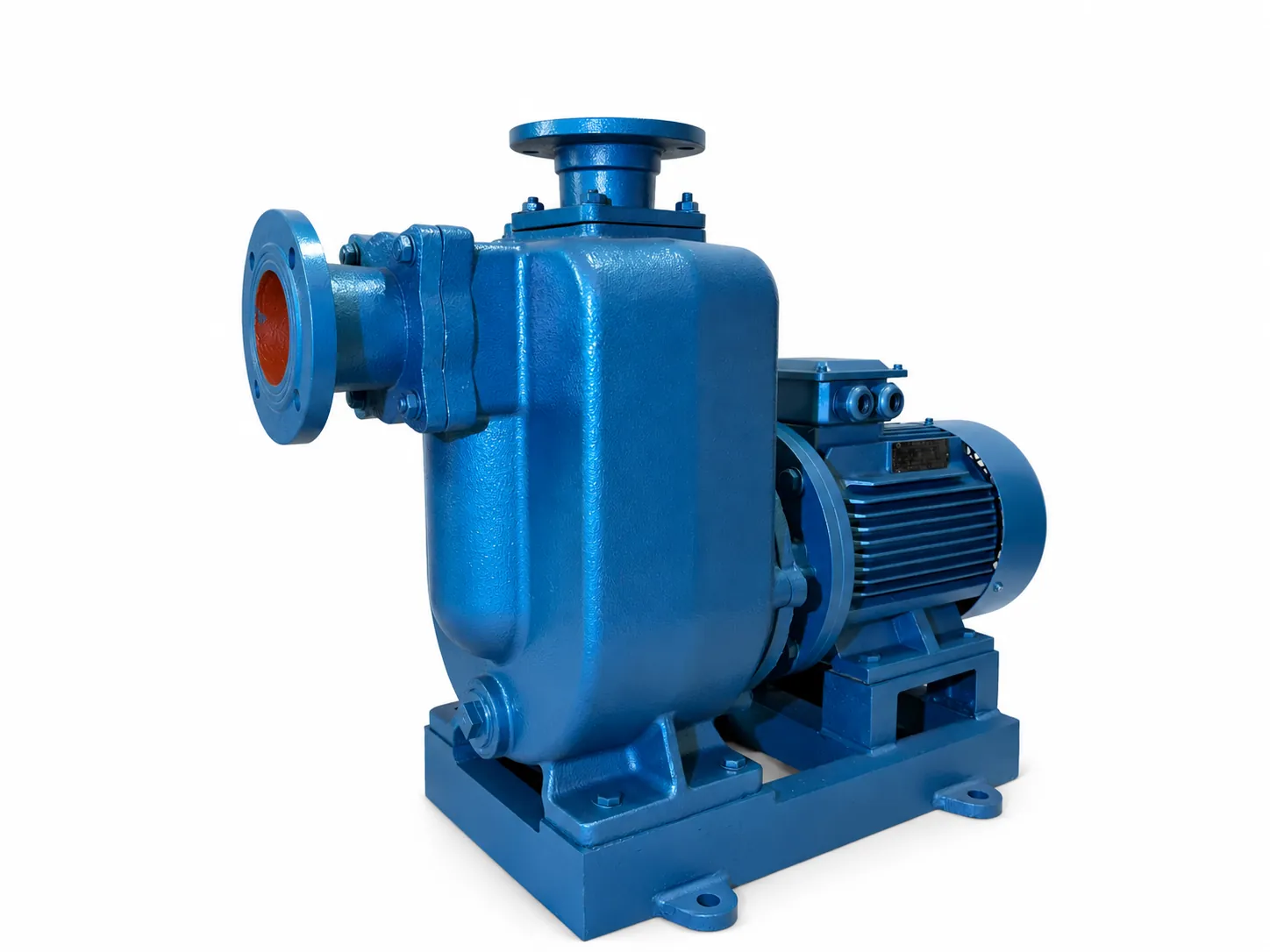
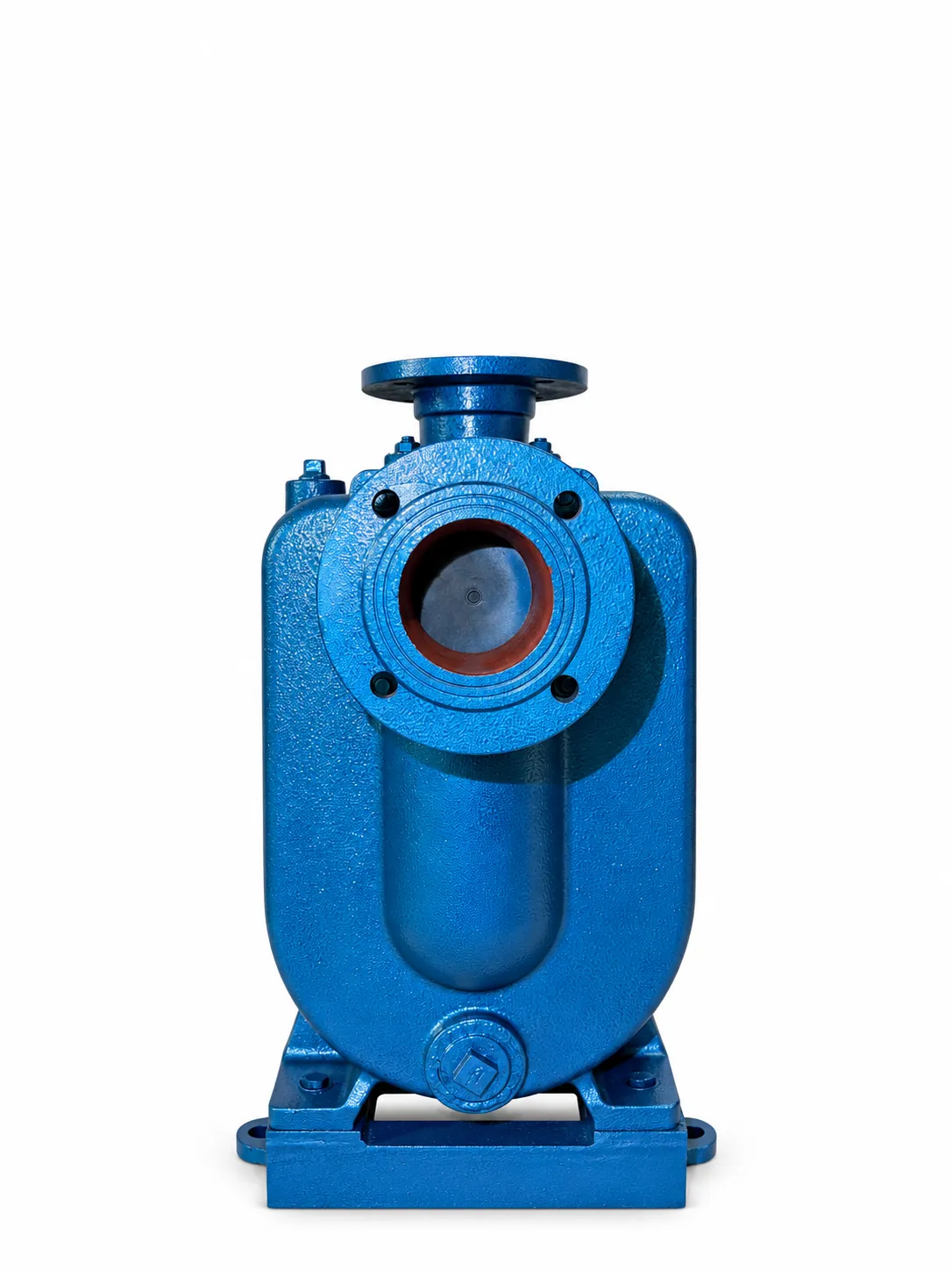
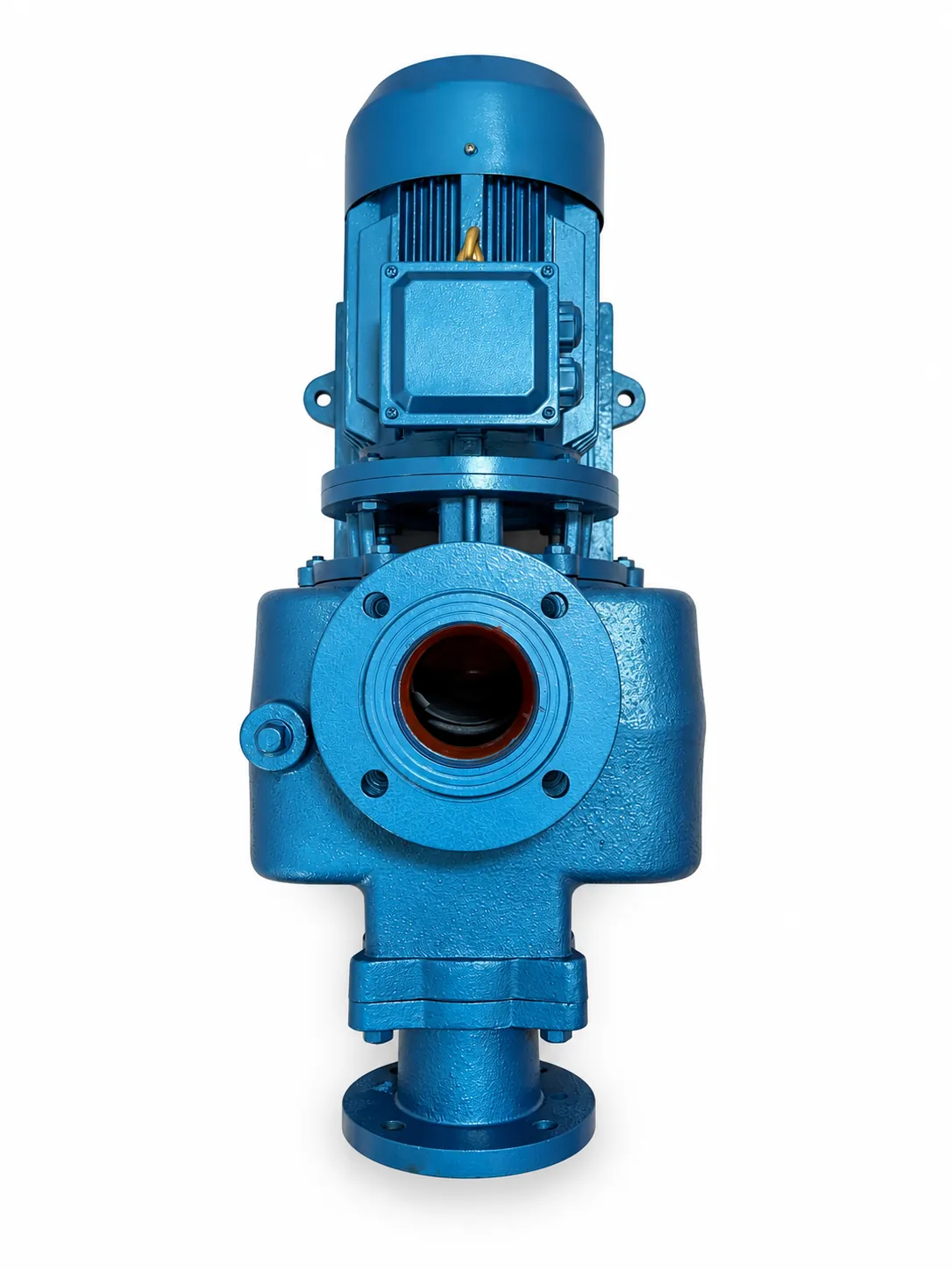
For FOBENG, the current website presents five starting points: CDL and CDLF vertical multistage pumps, ISG vertical and ISW horizontal centrifugal configurations, and ZW self-priming sewage pumps. Each series covers a different selection route. The final model and configuration need to match the actual requirement, supported by the relevant curve, materials and dimensional information.
Keep the brief compact enough to share, but clear enough that another engineer can understand it without guessing. A one-page duty schedule with an installation sketch is often more useful than a long email containing several conflicting operating values. The sequence below helps organize that schedule.
On this page
- Start with a duty description
- 1. Describe the liquid and its operating conditions
- 2. State flow and head together
- 3. Make inlet conditions explicit
- 4. Choose a family that fits the service
- 5. Review installation and service access
- 6. Confirm the electrical and operating configuration
- 7. Compare proposals on a shared basis
- 8. Close open items before order confirmation
- Turn the information into a selection discussion
- Keep a selection record that another buyer can follow
1. Describe the liquid and its operating conditions
Record what the pump will handle, including temperature and any constituents that affect material or seal selection. For a clean-water service, identify whether the water is treated and whether additives are present. For wastewater, describe solids, fibres and other suspended matter, together with the relevant concentration or particle information available from the process.
Use the conditions at the pump, rather than only the name of the wider industry. Two pumps in the same treatment plant may handle different liquids at different temperatures. Similarly, water used in a cooling circuit may include an additive that changes the compatibility discussion. Attach a process specification or liquid information sheet when one is available.
KSB’s general pump-selection information identifies fluid properties, flow, head, suction behaviour and speed among the selection inputs. That is a general engineering reference; the proposed FOBENG model still needs its own configuration data. A buyer should make unusual liquid requirements visible early instead of relying on a broad application label.
2. State flow and head together
Provide the required flow and head as one operating point, with units. Explain whether the values are design requirements, measured conditions, a normal operating case or the limit of a proposed system. If operation varies, identify the meaningful cases rather than presenting a maximum flow from one case and a maximum head from another as though they occur together.
The operating point depends on the relationship between pump and system characteristics. KSB’s operating-point explanation provides the general context for that relationship. For procurement, the practical consequence is straightforward: ask for a curve and proposed point for the actual model, speed and configuration.
Head, outlet pressure, elevation and pipe losses describe related aspects of a system, but they should be labelled clearly in the brief. If only an outlet pressure or building height is known, explain what that value represents and provide the available inlet condition. The system designer can then identify which calculation remains necessary before a model is finalized.
3. Make inlet conditions explicit
Describe where the liquid comes from and how it reaches the pump. Include available inlet pressure, relevant liquid levels, suction pipe information and changes during operation. Identify any condition that could reduce the supply to the pump, such as a changing tank level, restrictive inlet component or liquid-temperature variation.
The inlet review is part of selection even when the application appears familiar. A pump with an appropriate discharge duty can still be unsuitable for the available inlet conditions. Request the relevant model data and have the available and required suction conditions assessed together. A generic suction figure from another series is not a substitute for that assessment.
For a self-priming duty, also describe the initial filling arrangement, suction lift and pipe layout. The term self-priming identifies a pump characteristic, while the installation and operating instructions determine how it is used. The ZW series page is the relevant FOBENG starting point for that conversation.
4. Choose a family that fits the service
| Starting point | Typical selection discussion | Configuration questions |
|---|---|---|
| CDL / CDLF | Vertical multistage configurations for suitable water-supply, boosting and treatment duties. | Operating curve, wetted materials, seal, pressure limits and power supply. |
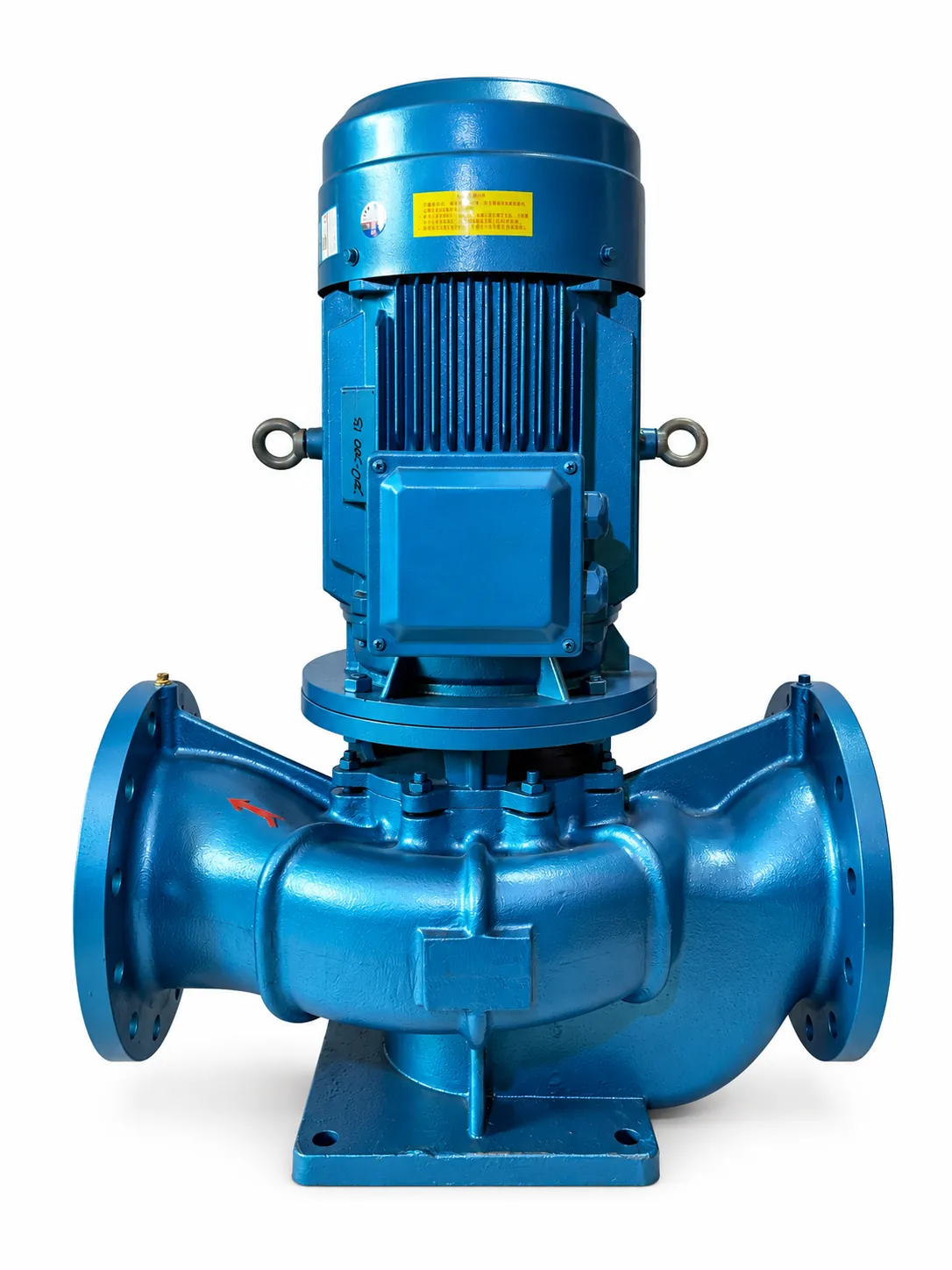
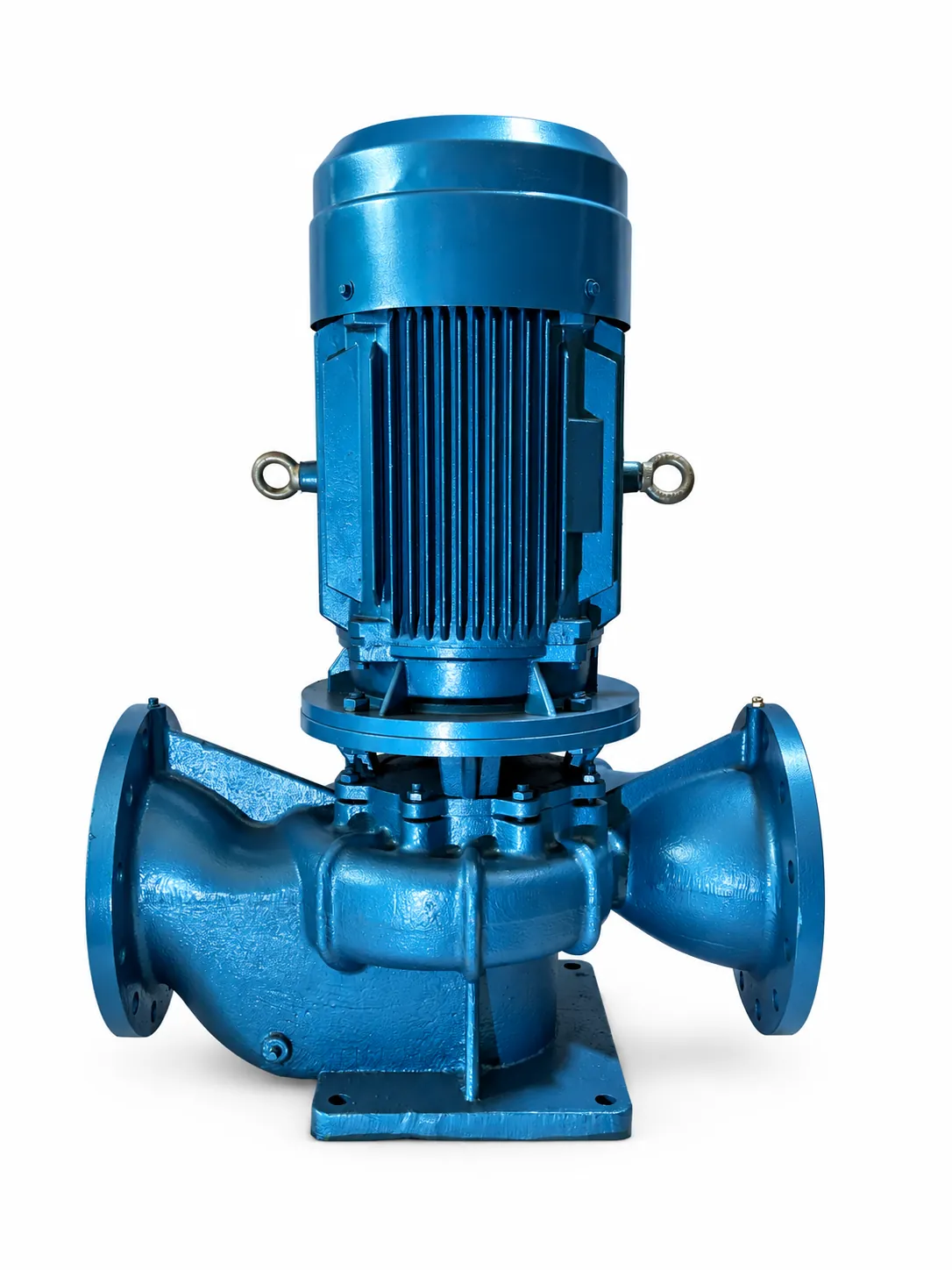
| ISG / ISW | Vertical or horizontal centrifugal configurations for suitable clean-water supply and circulation. | Duty point, flange arrangement, installation space, liquid and temperature. |
| ZW | Self-priming sewage transfer with a suitable liquid and installation. | Solids, fibres, materials, inlet arrangement and model-specific priming conditions. |
Use this table to decide where to begin, rather than to approve a model. Several families may be relevant to one application, and the same family may appear in several applications. The curve, liquid compatibility, pressure conditions and mechanical arrangement establish whether a particular configuration should proceed.
The Applications overview offers a second route for buyers who know the system task but do not yet know the pump family. Its building boosting, water-treatment and HVAC pages focus on different information requirements instead of repeating one product description.
5. Review installation and service access
Confirm the proposed dimensions and the actual inlet and discharge orientation. Include connection size, pressure rating and any fixed pipe interfaces. For replacement work, show the existing installation and identify dimensions that cannot change. A familiar series name does not establish a direct mechanical replacement.
Allow room for the motor, lifting and the service activities expected for that model. Review the support arrangement and the loads the installation can place on the pump. A compact footprint is useful only if the equipment remains accessible and the mounting requirements can be met. Coordinate these details with the system design and product documentation.
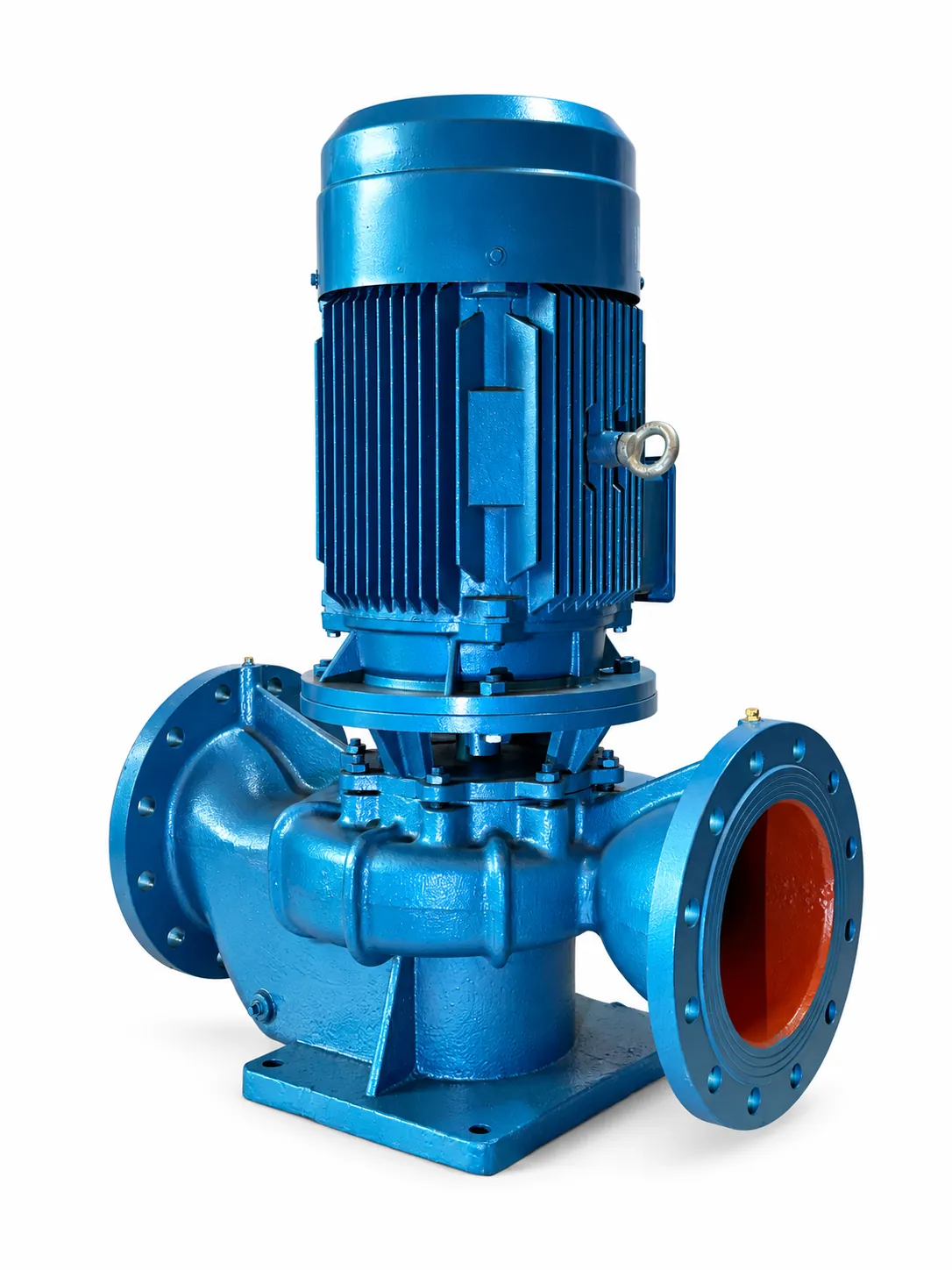
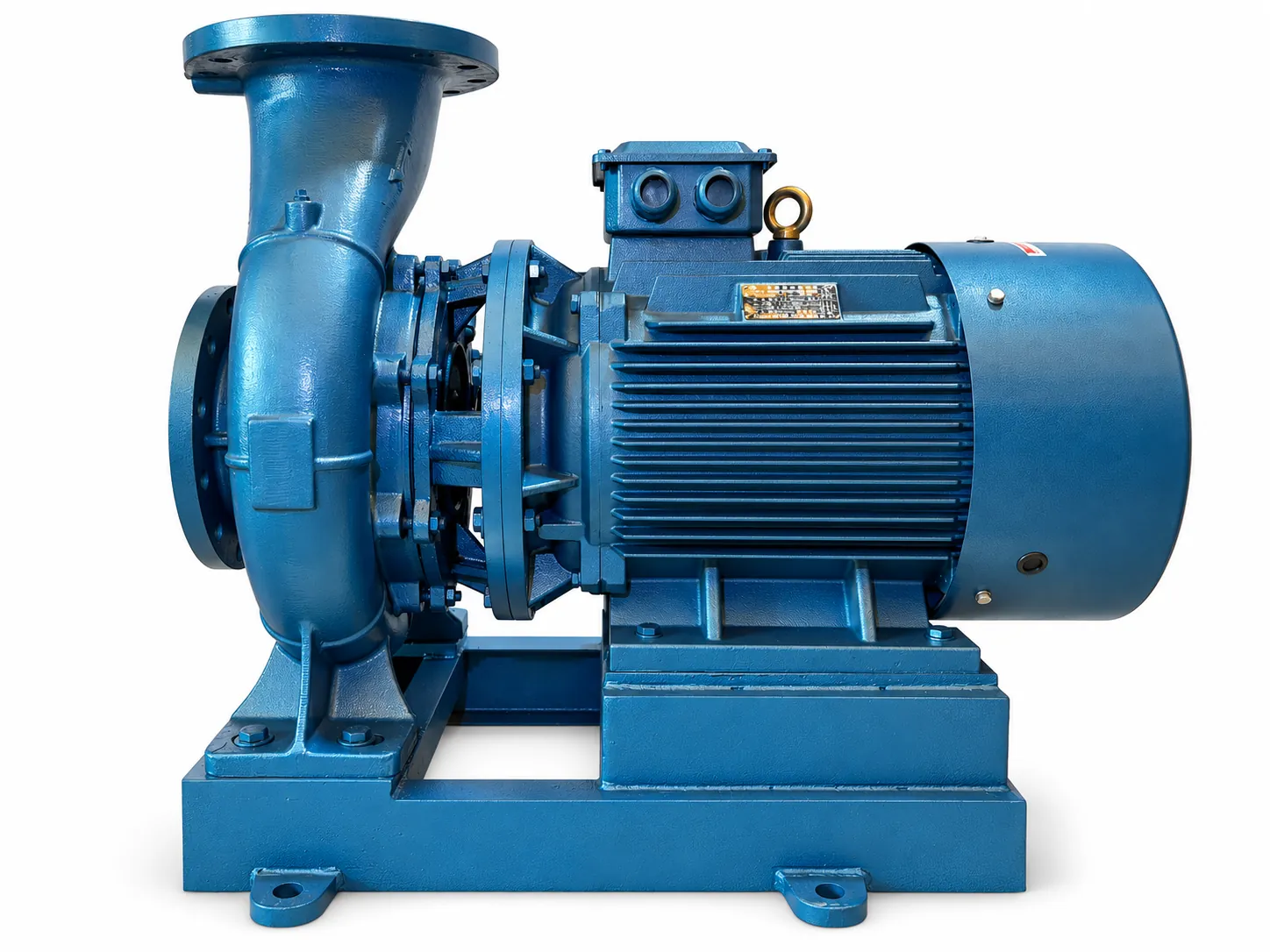
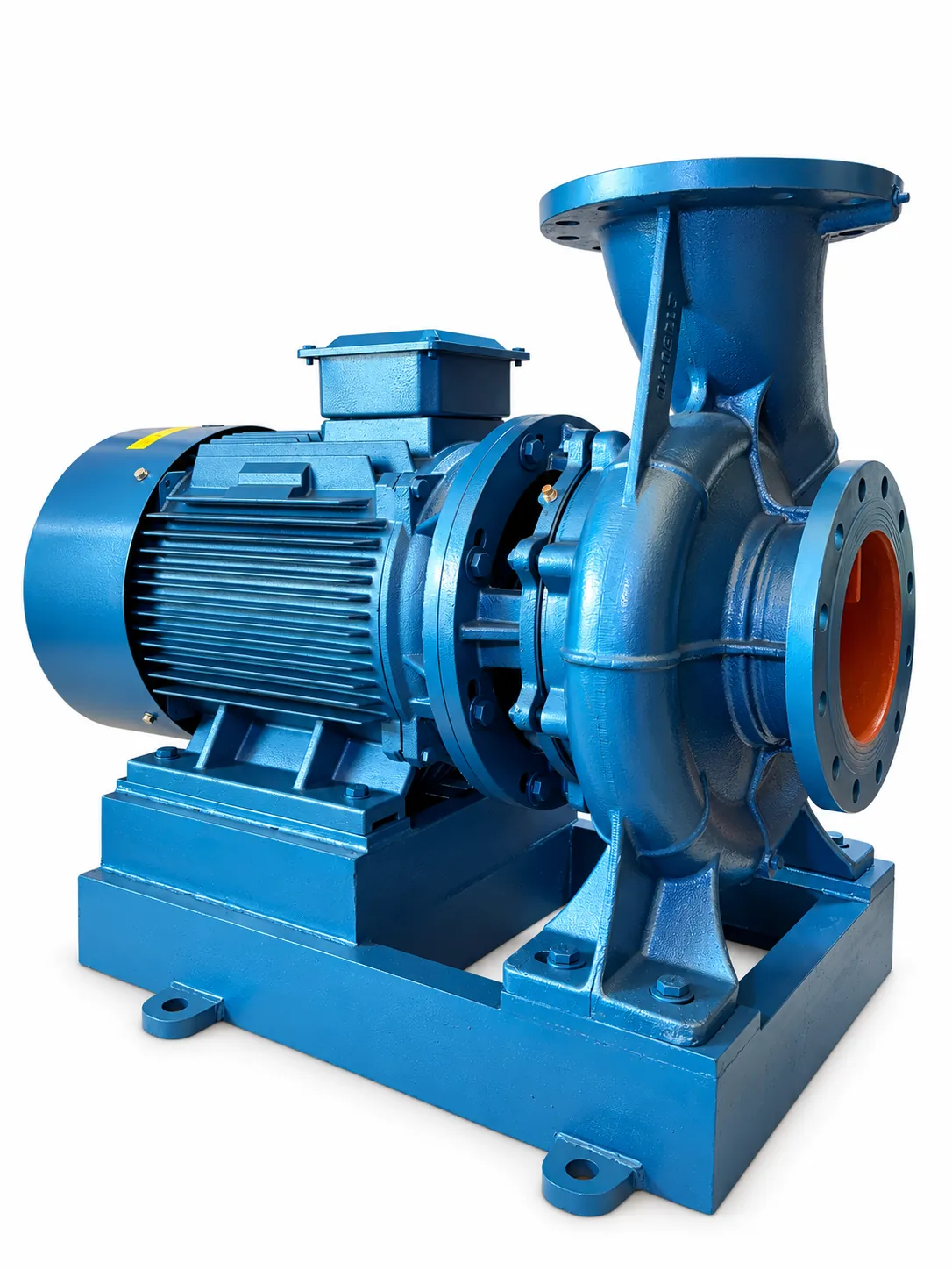
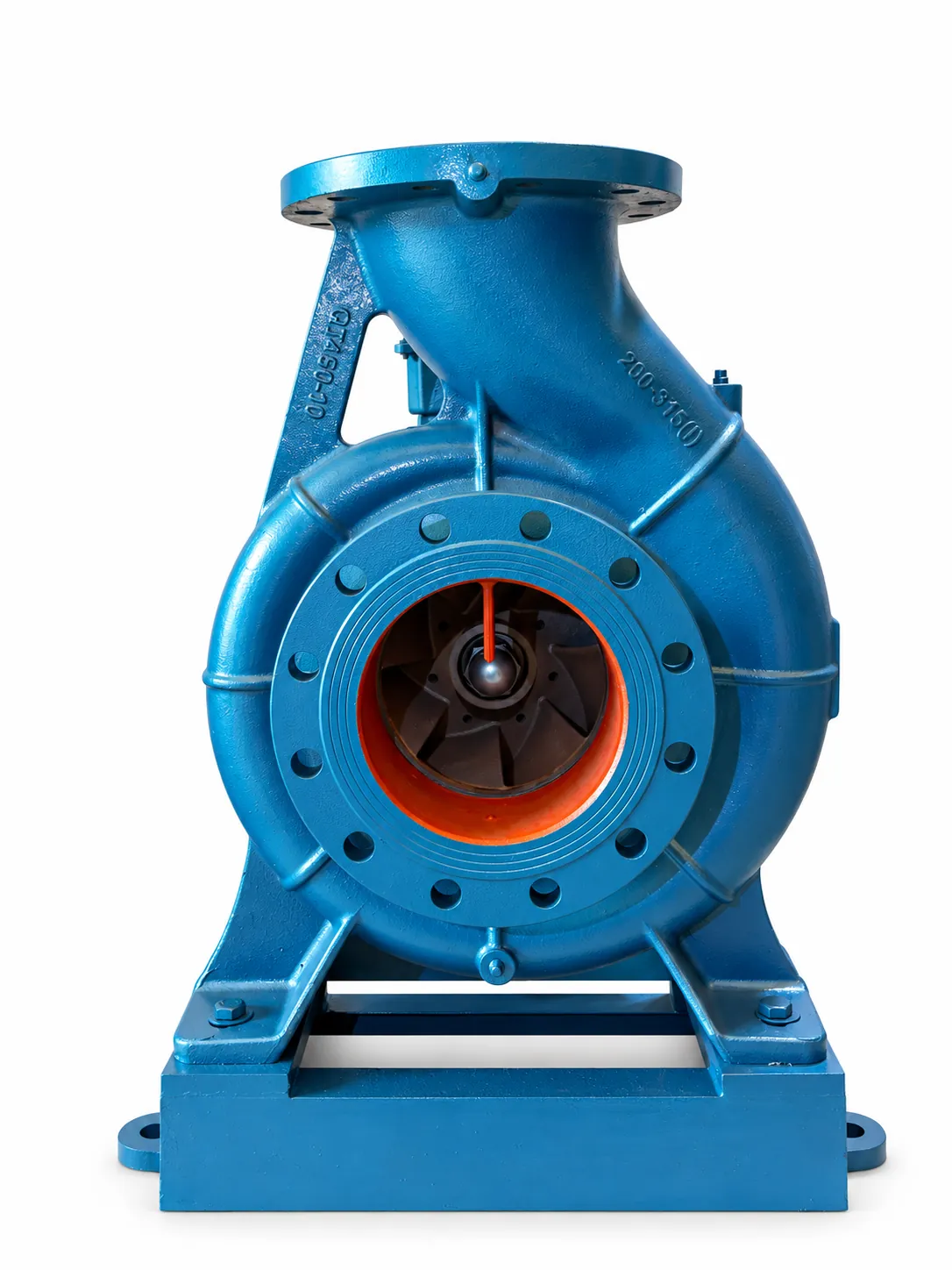
For ISG and ISW, distinguish motor orientation from port arrangement. The supplied product photographs show different configurations. The ISG versus ISW comparison explains how to turn those visible differences into a dimensional and installation checklist.
6. Confirm the electrical and operating configuration
State voltage, phase and frequency explicitly. If speed control is planned, describe the intended operating method and ask for the relevant motor and performance information. Use the curve for the proposed operating speed instead of assuming that a curve for another supply frequency applies unchanged.
Record the operating pattern, such as continuous duty, regular cycling or variable demand, and the expected environment. Make any project-specific electrical, protection or approval requirements part of the initial discussion. These details may affect the motor or other configuration items and therefore the quotation.
Treat the full scope consistently. An individual pump quotation and a complete package with drive, controls, instruments and pipework are different procurement requests. Identify which components are included, supplied by others or still undecided. This helps prevent a comparison between proposals that cover different equipment.
7. Compare proposals on a shared basis
Prepare a comparison sheet with one row for each significant requirement: operating point, liquid, materials, motor supply, dimensions, included accessories, documentation and inspection. Ask suppliers to identify deviations and assumptions. A clear exception is easier to review than an apparently complete proposal that leaves a critical condition implicit.
Examine the curve and the operating range as well as the proposed point. KSB’s selection-chart explanation illustrates how pump sizes and characteristic curves are used in selection. A final purchase discussion should use the exact proposed model information, together with the system engineer’s requirements.
Ask how the quotation identifies the actual material and seal arrangement. A broad description such as stainless steel leaves several components unspecified. Use an itemized configuration where the liquid, project or replacement requirement makes those differences important. The CDL/CDLF guide develops this point for multistage-series comparisons.
8. Close open items before order confirmation
List the information that remains provisional and assign it a clear next action. The buyer may need to confirm a process condition, the system designer may need to complete a calculation, or the supplier may need to issue a drawing or configuration statement. Keep these items visible until they are resolved.
Confirm inspection records, document language, quantities, packaging, destination and the requested delivery arrangement alongside the technical scope. These details can affect procurement decisions even when the pump model is already agreed. They also help the eventual order documents describe what both parties expect.
For a first inquiry, use the Pump RFQ Checklist. If a parameter is unknown, write that it is unknown and explain the information currently available. Selection becomes more efficient when uncertainty is clearly labelled, rather than hidden in a guessed number.
Turn the information into a selection discussion
Send the available duty, liquid, installation and power-supply information through the FOBENG inquiry form. Identify any open assumptions so the proposed configuration can be reviewed on the same basis. You can also use our quotation preparation guide before contacting us.
Keep a selection record that another buyer can follow
When the discussion produces a candidate model, create a short selection record containing the duty schedule revision, proposed model, curve reference, dimensional drawing and configuration. Add the questions that remain open and the person or party expected to answer them. This makes the basis of the proposal visible when the inquiry moves between engineering, purchasing and the supplier.
For example, an installation drawing may be complete while the liquid-temperature range remains provisional. Record those as different statuses. The drawing can support the space review, while material and seal confirmation may still depend on the temperature information. Treating the whole selection as simply approved or unapproved can hide that distinction.
When information changes, identify the affected item rather than restarting the entire conversation. A changed destination may affect commercial arrangements, while a changed liquid or operating point may require a technical review. Keep the revised evidence with the quotation so that the order uses one consistent configuration.