A good RFQ gives the supplier a clear decision task
A pump request for quotation should make it possible to understand what is required, what is already fixed and what still needs selection. Start with a model if you have one, or begin with the application and operating information if you do not. Either route can lead to a useful discussion when the assumptions are clear.
For FOBENG inquiries, include a contact email, country or region and a description of the requirement. Add the relevant technical and commercial information below as it becomes available. You do not need to invent missing values to complete the brief. Mark them as undecided and explain which part of the project is still being developed.
The aim is to receive a proposal that can be reviewed against a consistent specification. A short, well-structured request usually reduces more back-and-forth than a longer message containing several model names without their configuration. Keep a copy of the RFQ revision so that later changes can be identified.
On this page
- A good RFQ gives the supplier a clear decision task
- 1. Identify the request and its purpose
- 2. Describe the liquid at the pump
- 3. Give flow and head with their meaning
- 4. Describe inlet conditions and installation
- 5. Specify electrical supply and operation
- 6. Add order, documentation and inspection requirements
- A copyable first-inquiry schedule
- How to review the quotation you receive
- Keep the next message focused
- Turn the information into a selection discussion
- Use a clear revision when the requirement changes
1. Identify the request and its purpose
Give the project or application a simple reference. Explain whether the inquiry concerns a new installation, replacement equipment, an OEM design, a sample or a repeat order. If the pump is part of another machine or process, state what that equipment needs the pump to do.
For replacement work, include a readable nameplate photograph, the existing model details and the reason for replacement. Identify whether performance, dimensions and connections must remain the same. If the existing pump has not met expectations, describe the observed problem rather than assuming that the next unit should simply use a larger motor.
For OEM work, identify the drawing or sample revision and the critical interfaces. Summarize the requested change before sending a large set of documents. If drawings contain confidential information, discuss the appropriate sharing arrangement. The OEM cooperation page outlines the preparation route.
2. Describe the liquid at the pump
State the liquid, temperature and the composition information relevant to compatibility. For water-treatment and circulation duties, include additives that may affect materials or seals. For wastewater, describe solids, fibres and the relevant concentration or particle information available from the process.
A name such as process water or industrial wastewater can conceal important differences. Identify the conditions at the particular pump location. If temperature, composition or solids loading varies, describe the meaningful operating cases. Attach an available process or liquid specification rather than compressing every condition into a single broad label.
The liquid description helps define the discussion, while a proposed material configuration still needs confirmation. Avoid requesting corrosion-resistant construction without saying what the equipment will contact. A clearly described service lets the technical conversation focus on the actual wetted components and seal arrangement.
3. Give flow and head with their meaning
Include the required flow and head together, with units. State whether the values represent design duty, normal operation, a measured point or a proposed maximum condition. Where the duty varies, label the cases so that the supplier can see which values occur at the same time.
If the information is currently a target outlet pressure, tank elevation or building height, explain that clearly and include the available inlet conditions. These values should not be silently treated as an already calculated total head. The system requirement can then be clarified before an exact model is selected.
KSB explains the interaction between pump and system characteristics in its operating-point reference. In an RFQ, the useful action is to request the actual proposed curve and operating point, and to keep the model, speed and configuration associated with that information.
4. Describe inlet conditions and installation
Record where the pump draws liquid from, relevant levels or available inlet pressure, and the suction pipe arrangement. Note conditions that change during use. If you need a self-priming pump, describe the suction lift, initial filling arrangement and the installation context as well as the discharge duty.
For mechanical fit, provide connection sizes, the flange arrangement and any fixed dimensions. A simple marked photograph or sketch can show constraints that a model number leaves unclear. Identify the available space for the pump, motor, removal and maintenance. State which interfaces can be changed and which must remain compatible.
For an existing installation, make the required supply boundary visible. A pump-only replacement, pump-and-motor assembly, or wider packaged arrangement may require different information and pricing. Include the parts that must be supplied and any components retained from the existing system.
5. Specify electrical supply and operation
State voltage, phase and frequency as separate items. Identify any intended variable-speed operation, control arrangement or project-specific motor requirement. A destination country alone does not define the complete electrical configuration for the installation.
Describe the expected operating pattern and environment. Include any approved equipment specification that the supplier needs to review. When the project requires a particular protection level or certification, identify the exact requirement instead of using a general phrase such as international standard.
Ask the proposal to state the electrical configuration being offered. The operating curve and model information should correspond to that configuration. This is particularly useful when quotations from different suppliers are being compared or when an existing pump was originally designed for a different supply.
6. Add order, documentation and inspection requirements
List the quantity for each model or duty. If the request begins with a sample but may lead to repeat supply, distinguish those quantities. Give a target schedule and identify any project milestone that matters, while leaving current availability and delivery conditions to be confirmed in the quotation.
Specify the destination, packaging expectations and scope of the requested delivery arrangement. Include document language, drawings, manuals, test records and any inspection or witness requirements. These items should be discussed before the order is accepted because they affect the scope the supplier needs to assess.
A certificate request should identify the product or assembly it must cover. Component documentation, a factory management certificate and a complete-pump approval answer different questions. The quality and inspection page explains how to keep those boundaries clear for the actual order.
A copyable first-inquiry schedule
| Field | Your information |
|---|---|
| Project / request reference | Application, new installation or replacement, and document revision. |
| Model or selection help | Full model if known; otherwise the duty to be selected. |
| Liquid | Composition, temperature, solids, fibres or additives where relevant. |
| Operating point | Flow and head with units, and the meaning of each operating case. |
| Inlet conditions | Source, pressure or levels, suction arrangement and variation. |
| Mechanical fit | Flange sizes and orientation, dimensions, mounting and space. |
| Electrical supply | Voltage, phase, frequency and intended control arrangement. |
| Quantity and destination | Quantity per item, country/region and delivery destination. |
| Documentation / inspection | Required drawings, records, language and acceptance requirements. |
| Open questions | Unknown values, assumptions and items requiring confirmation. |
You can paste this structure into a message and complete only the information currently available. Keep the units beside the values. Where a drawing or nameplate provides the answer, identify that document so the reviewer knows which information to use. Attachments should support the written requirement rather than replace a basic description of the task.
How to review the quotation you receive
Compare the proposed model and configuration against the RFQ line by line. Check the curve, materials, electrical supply, dimensions and included equipment. Identify any exceptions, substitutions or assumptions that need a response. The same comparison should include quantity, documentation, inspection and commercial scope.
A difference may be acceptable when it is explicit and reviewed by the right person. For example, a changed flange arrangement may be possible in a new installation but difficult in a replacement. Record the decision and update the specification so that the order does not contain conflicting revisions.
Separate an information request from an order instruction. If a supplier proposes a model for discussion, confirm which technical items remain open and what documents are needed for approval. This keeps the quotation useful without treating a preliminary selection as an automatically accepted purchase.
Keep the next message focused
When replying, use the same project reference and identify the revision you are discussing. Group answers to outstanding questions and attach the relevant updated documents. If a duty condition changes, state that change directly so the hydraulic and configuration review can be revisited where necessary.
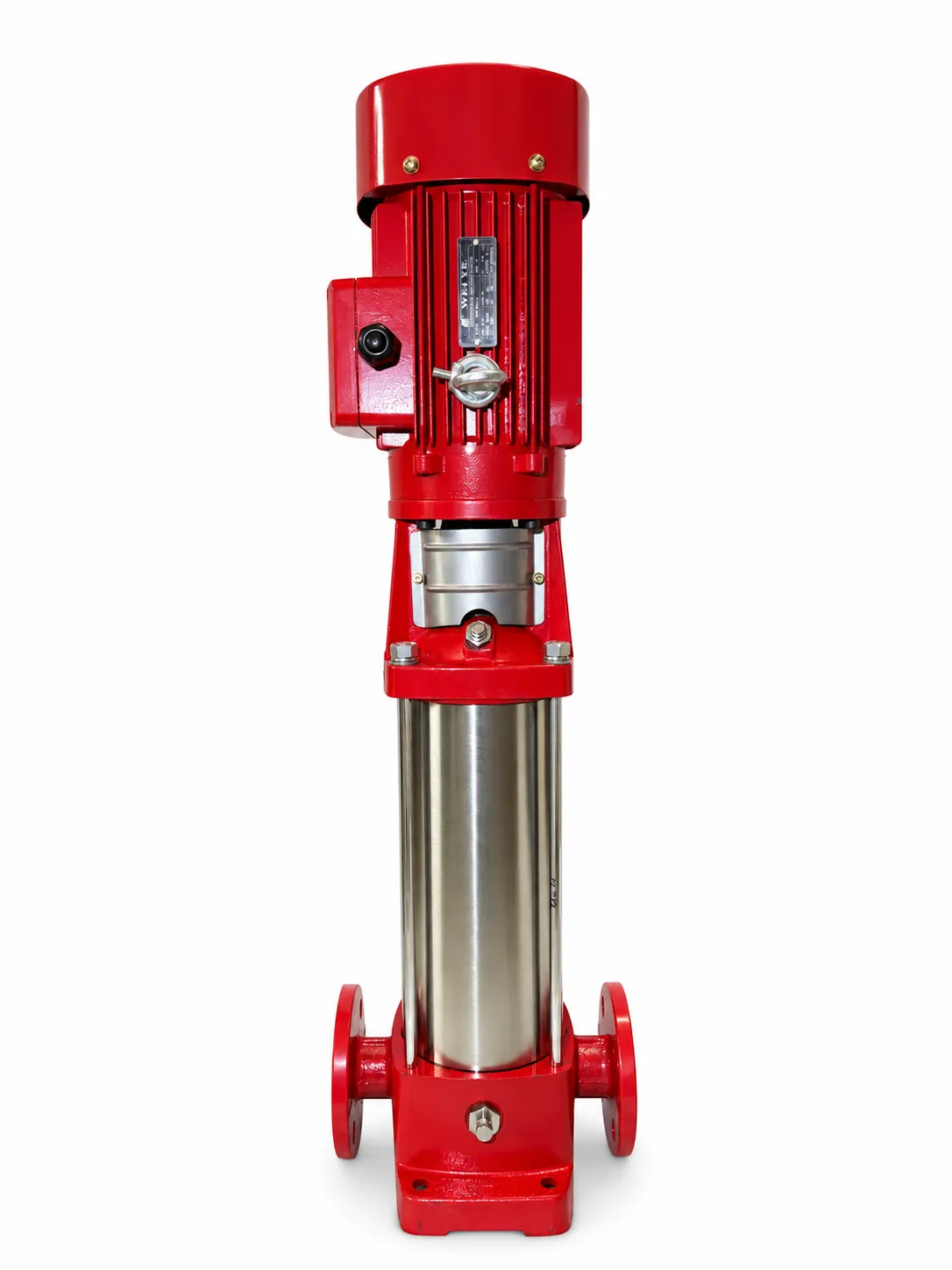
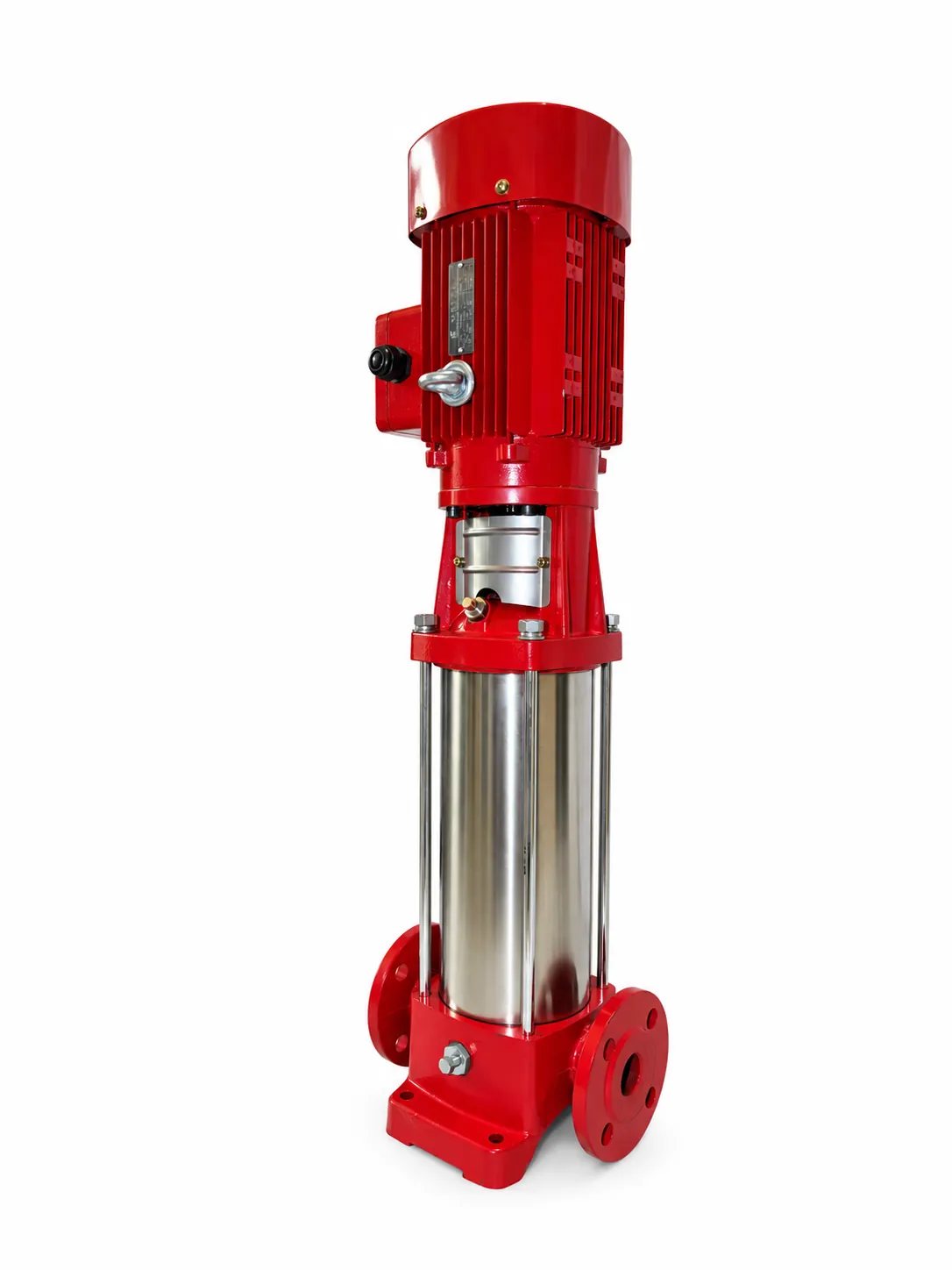
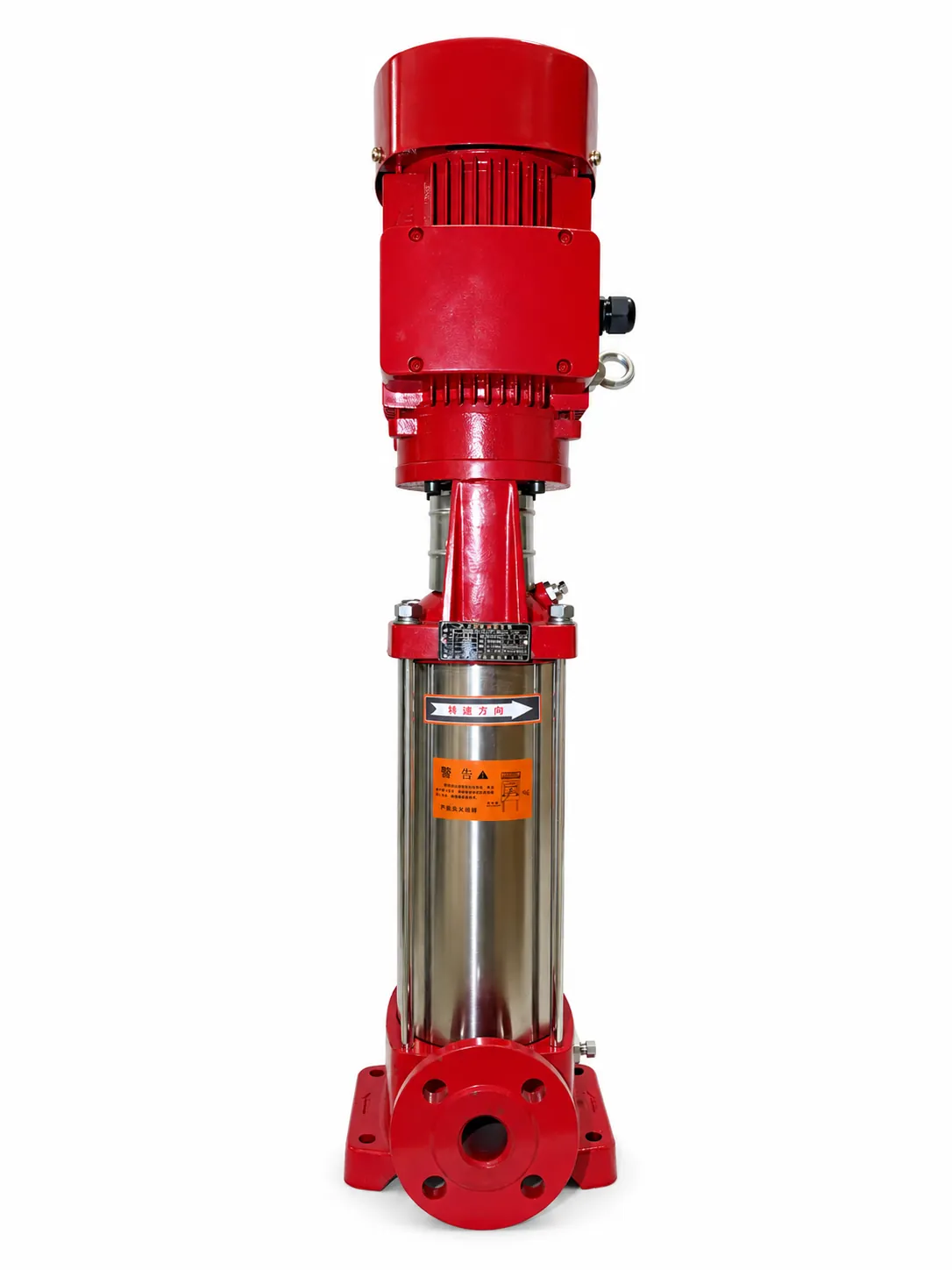
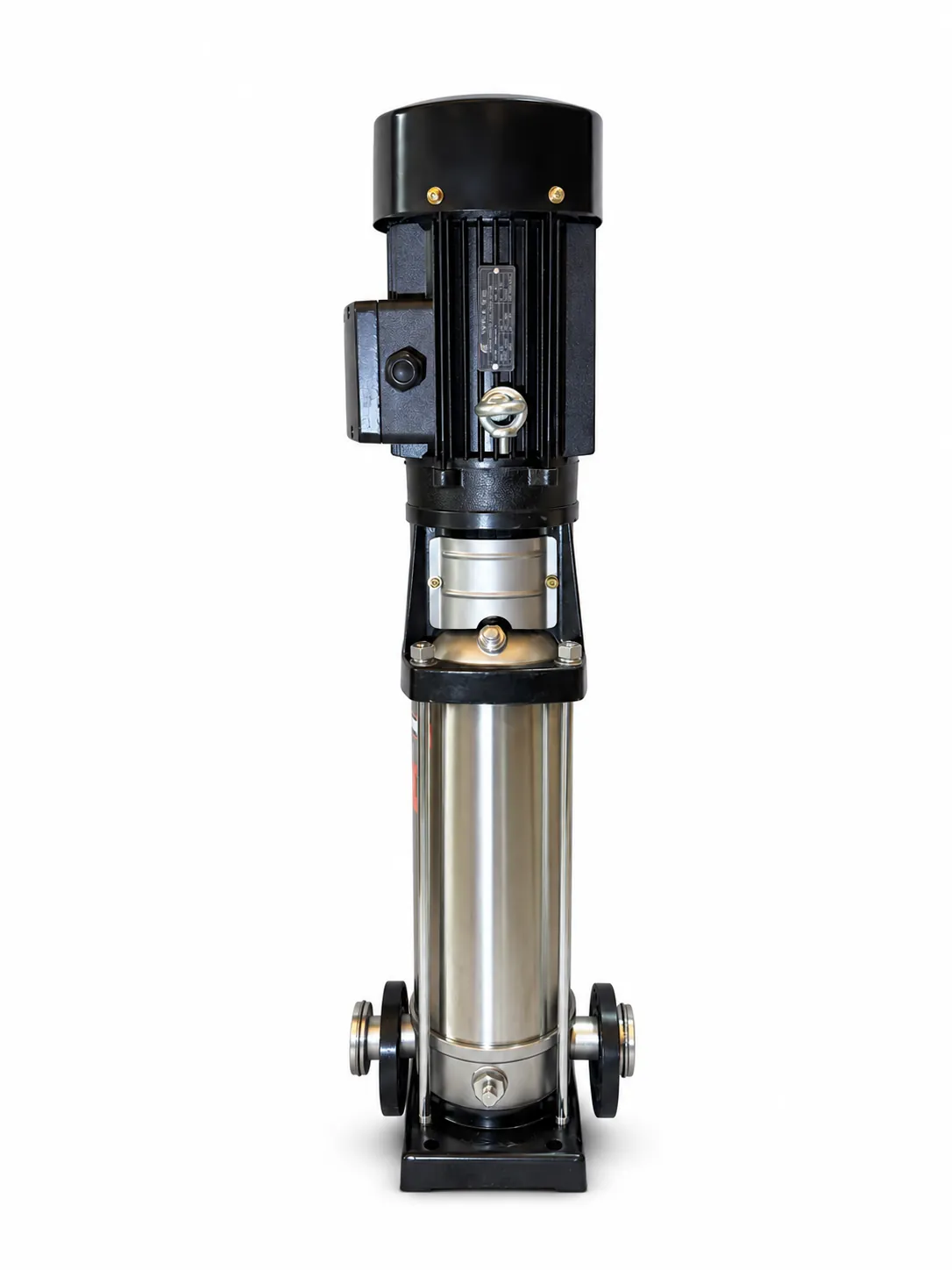
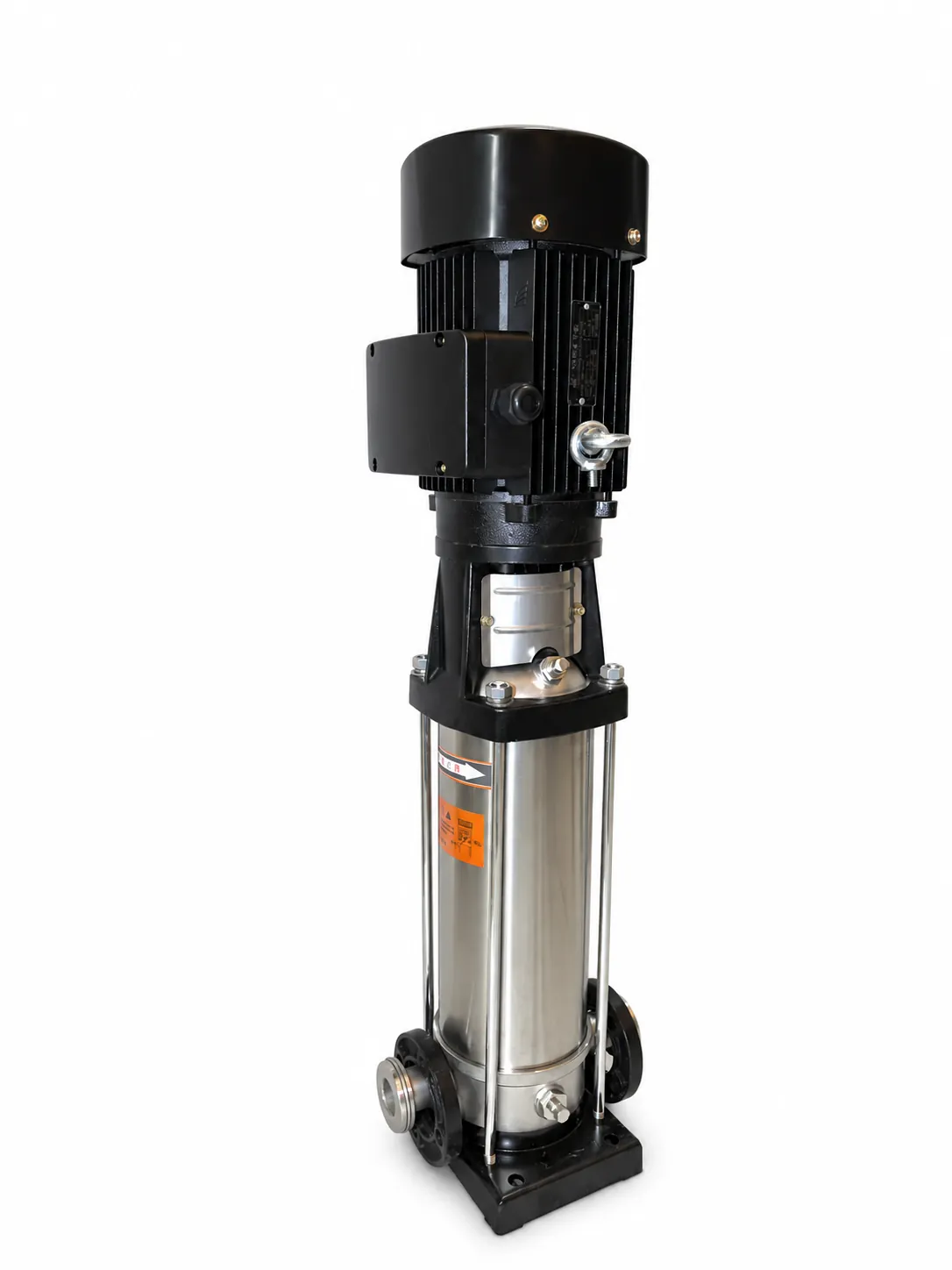
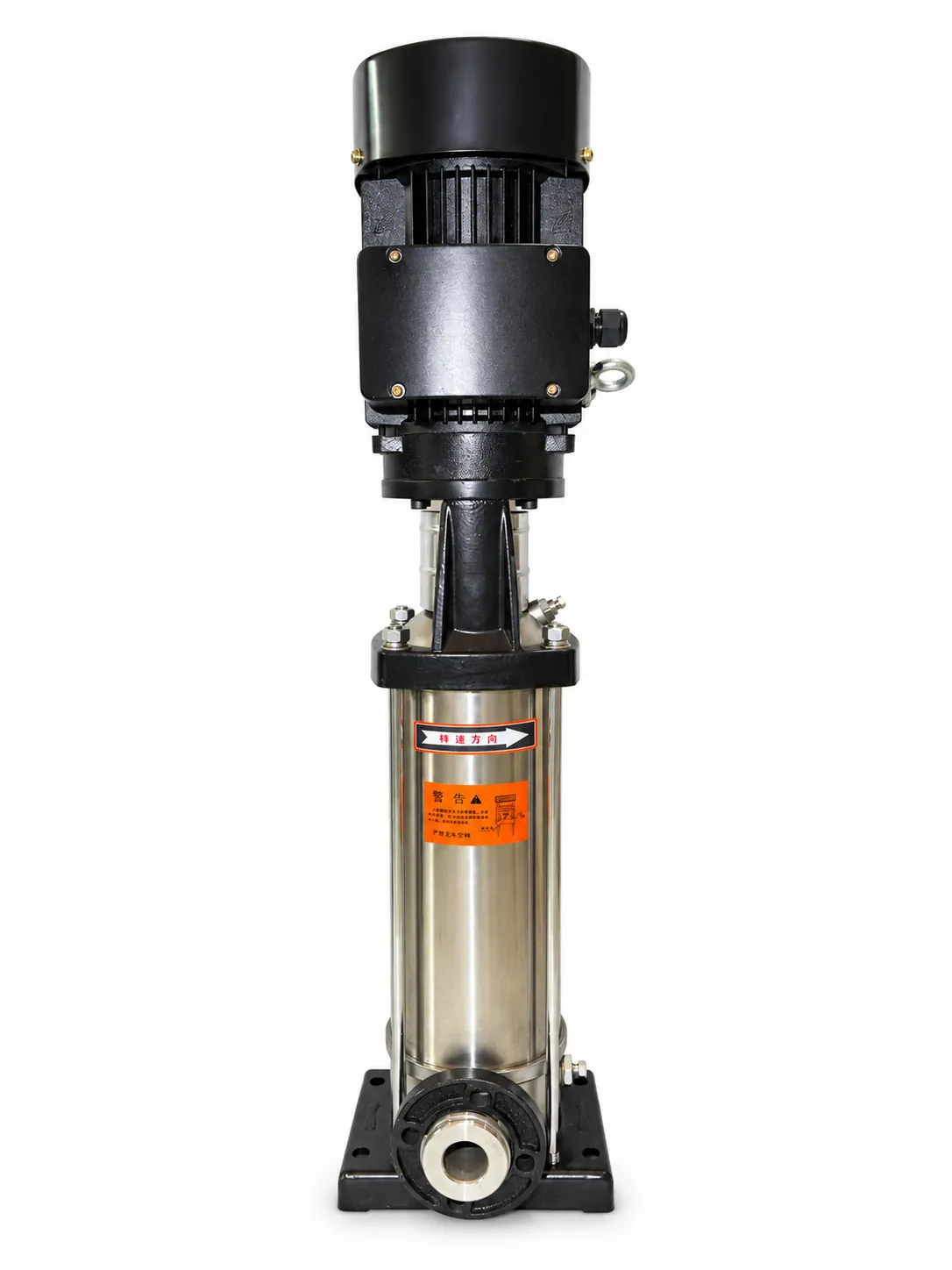
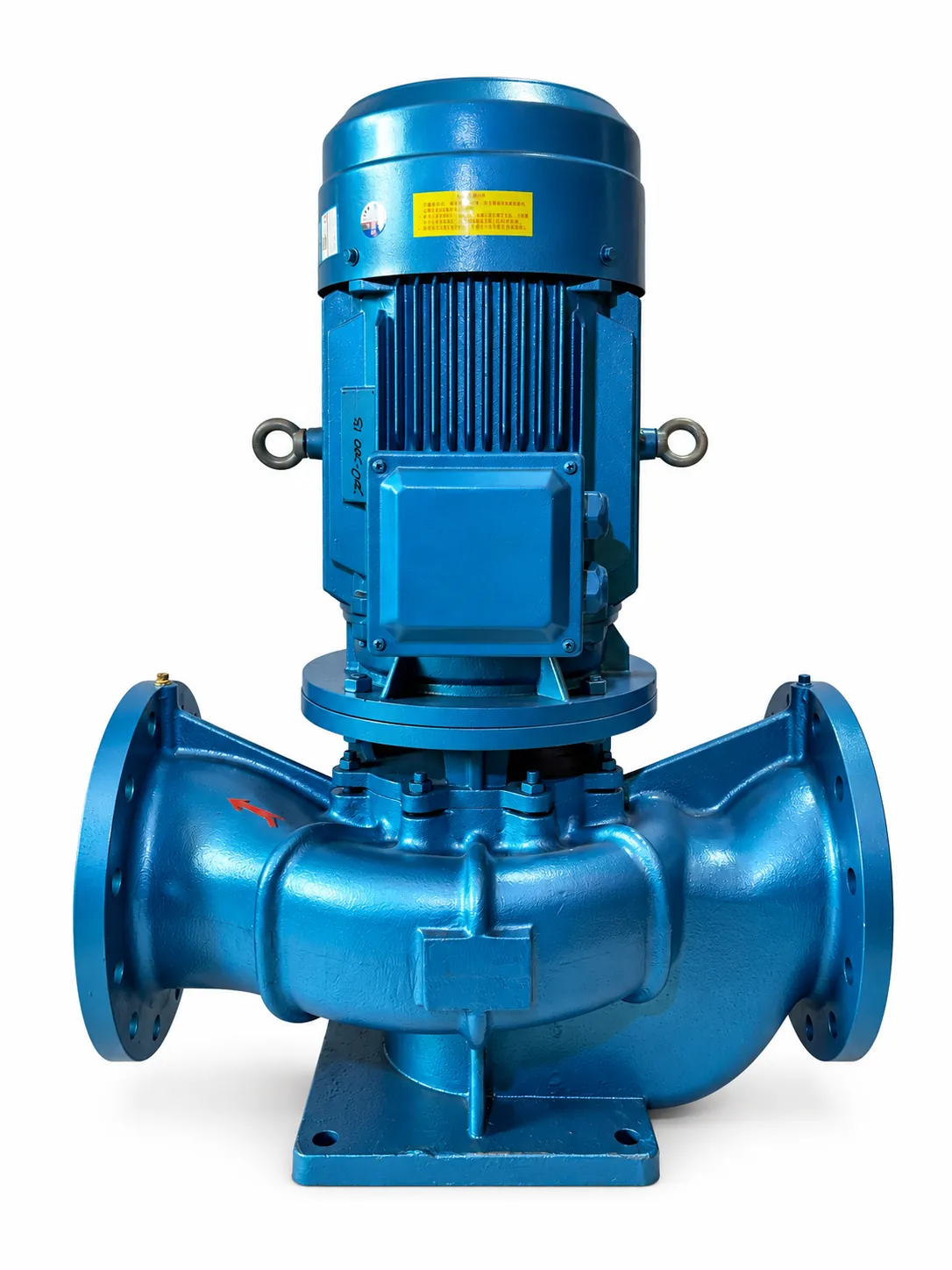
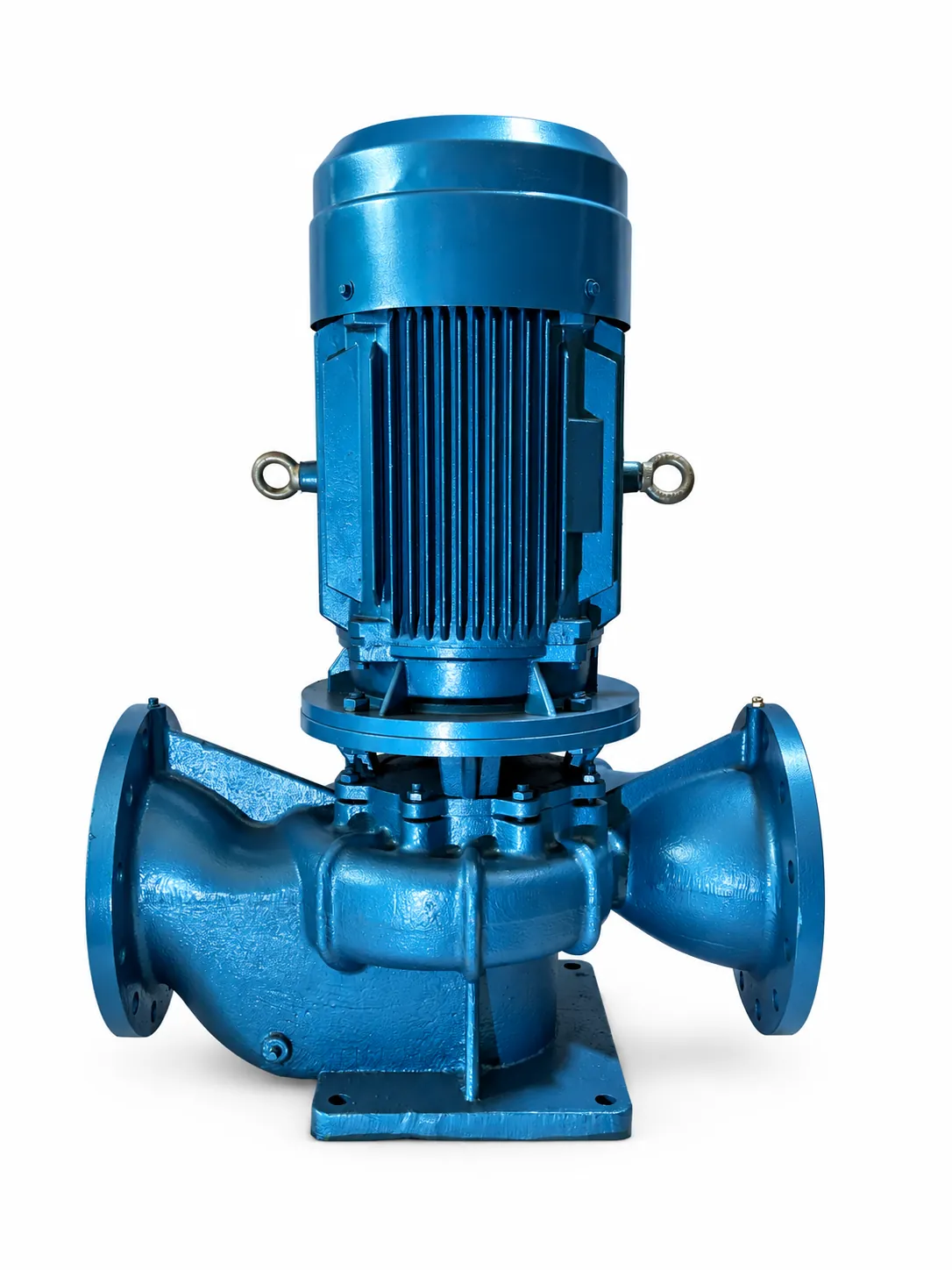
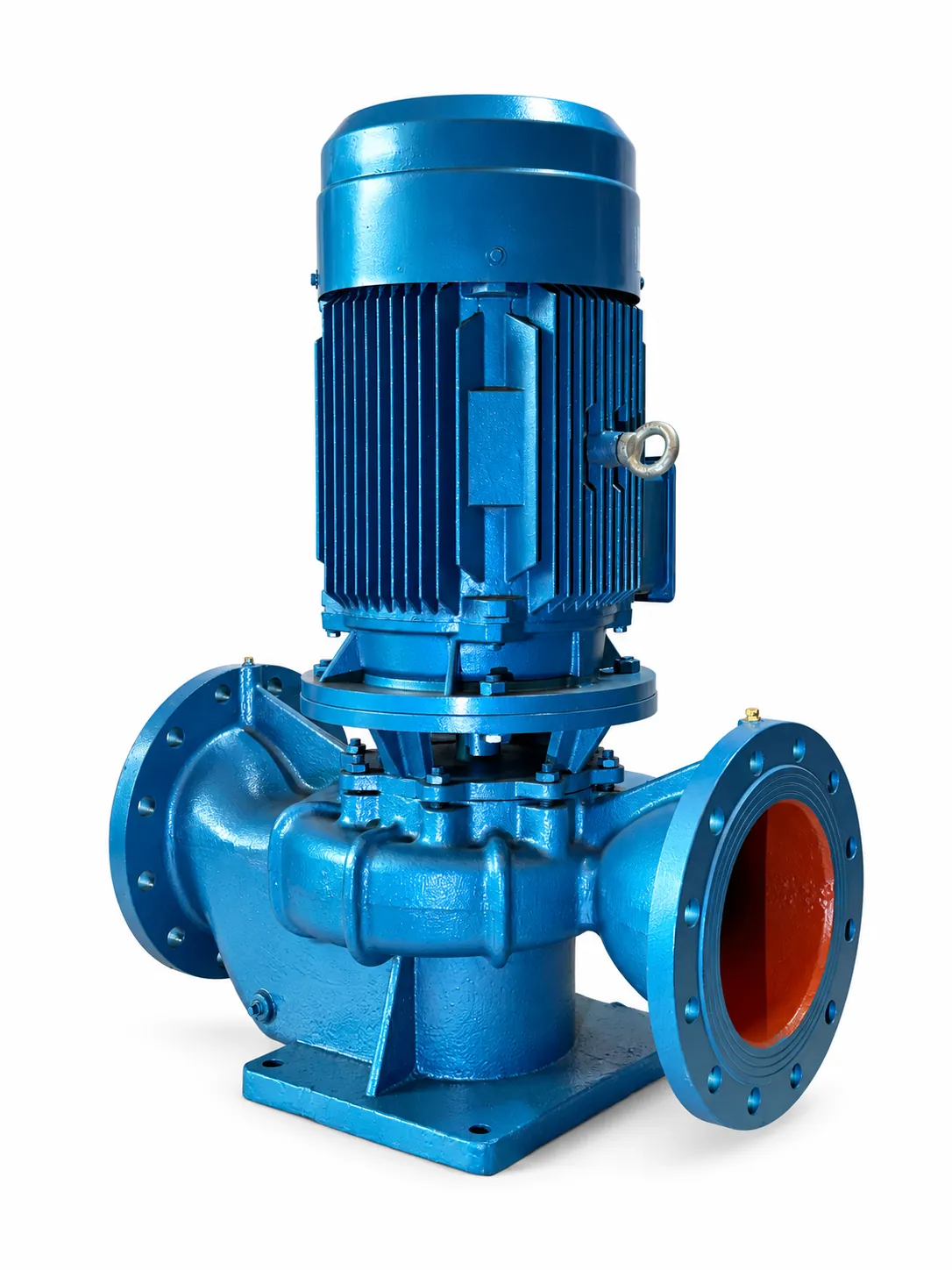
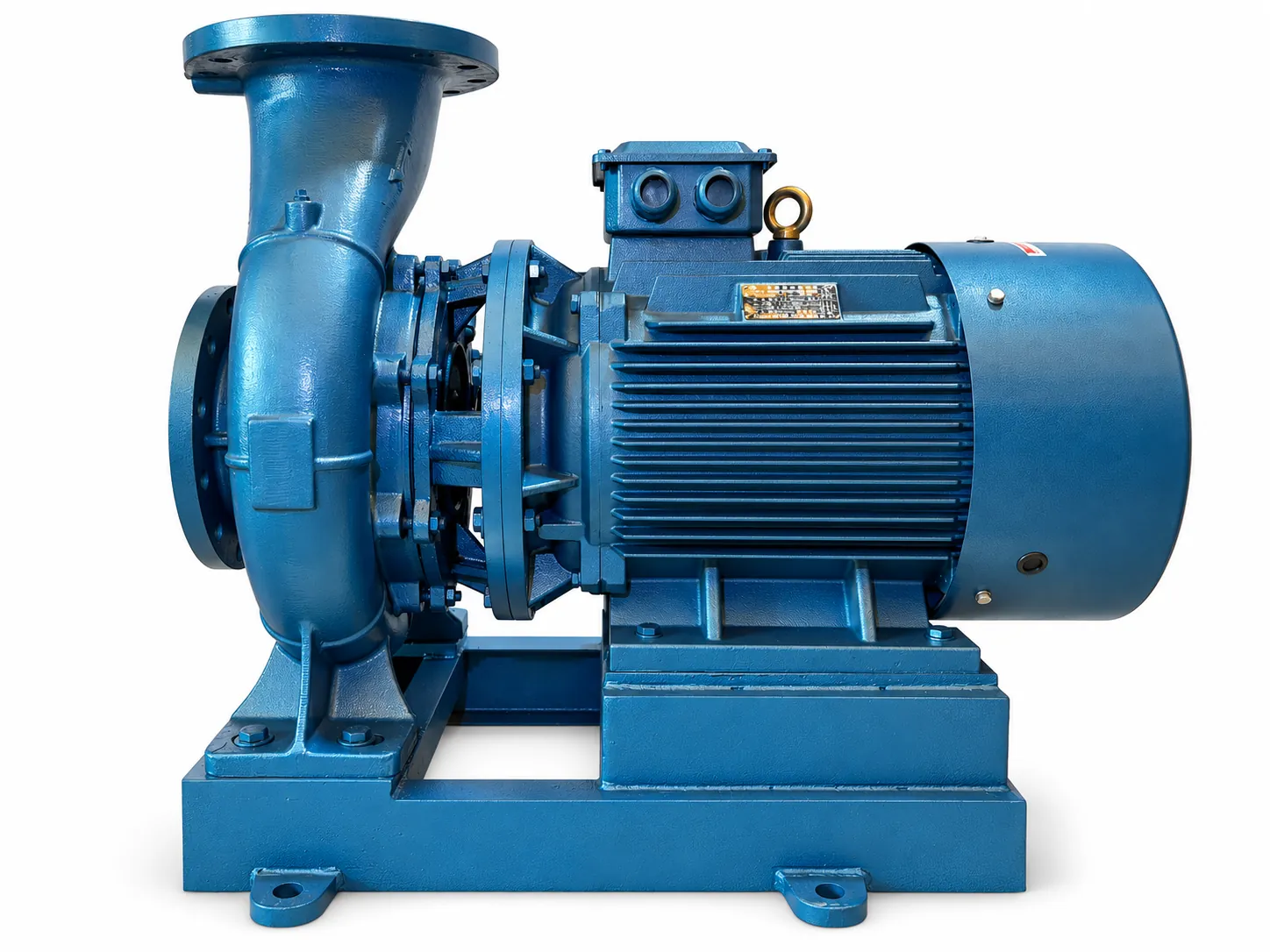
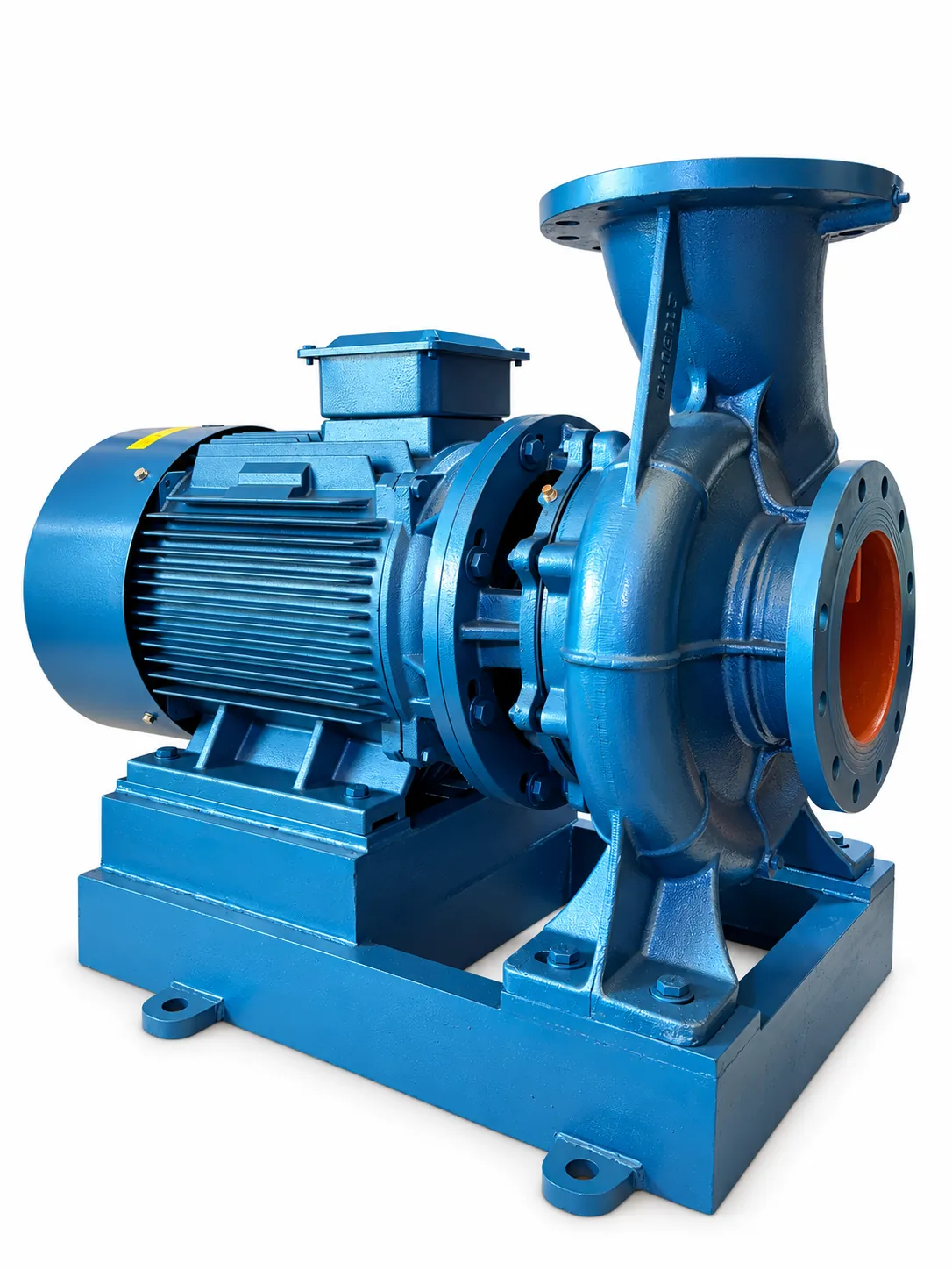
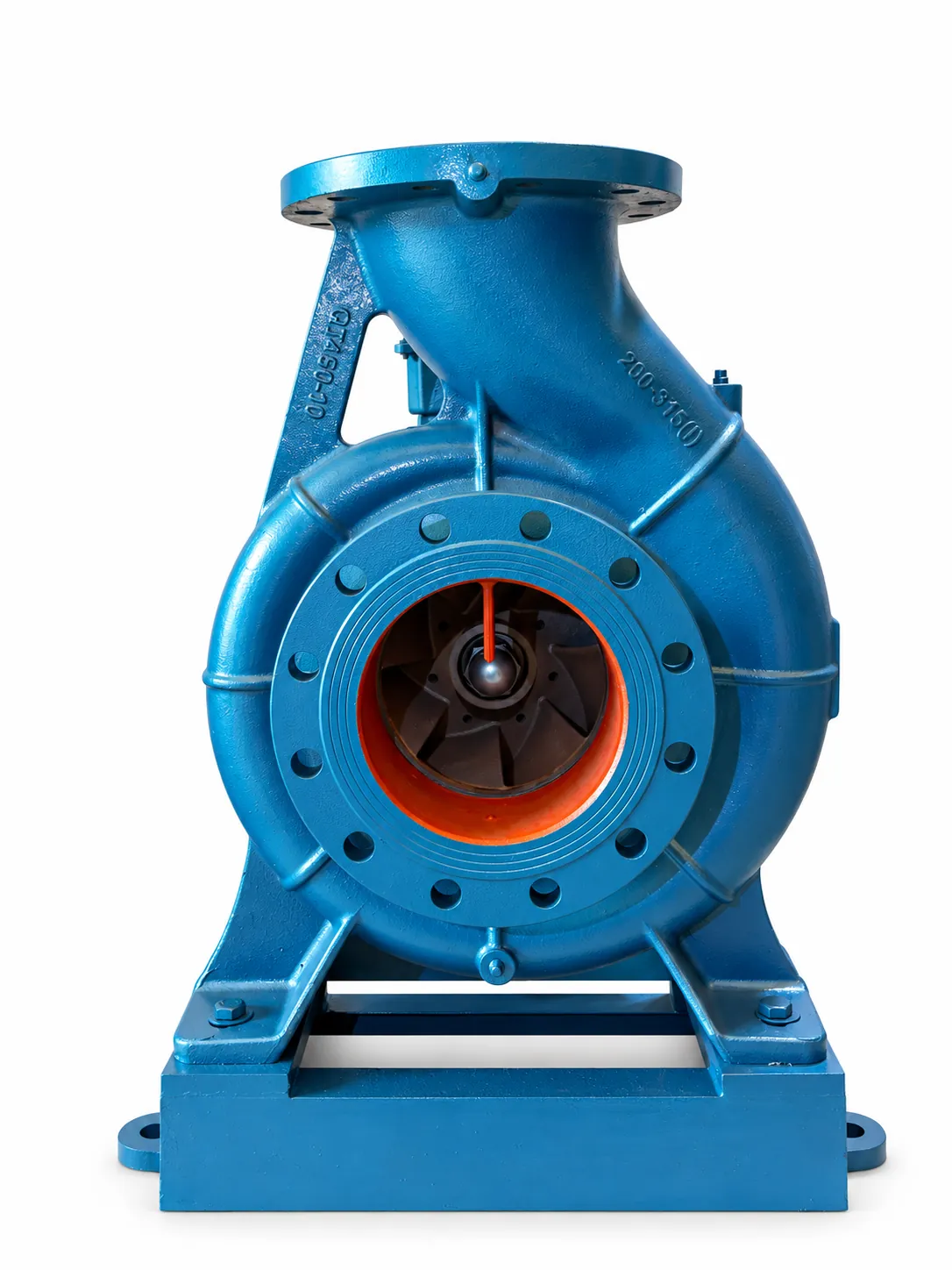
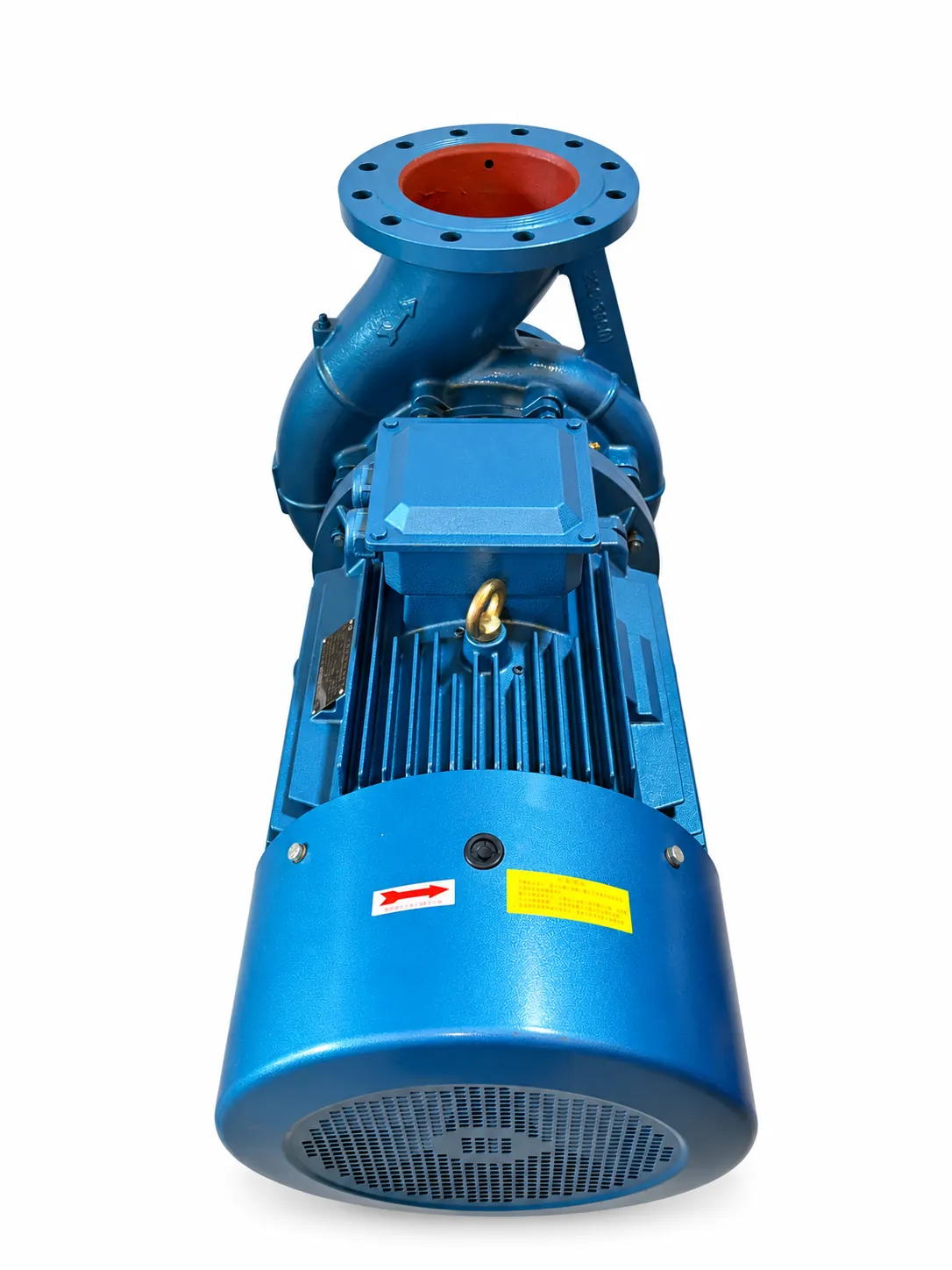
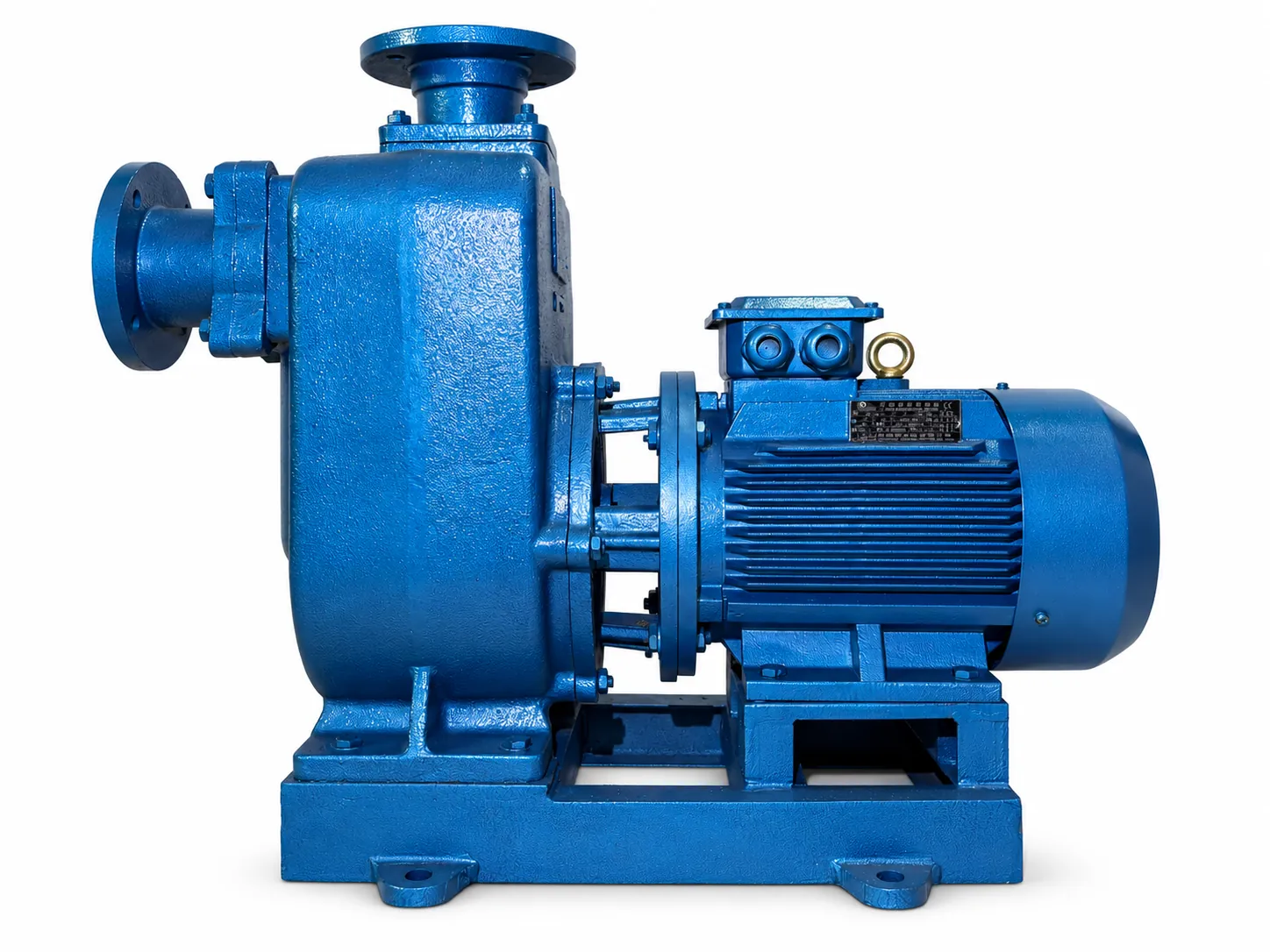
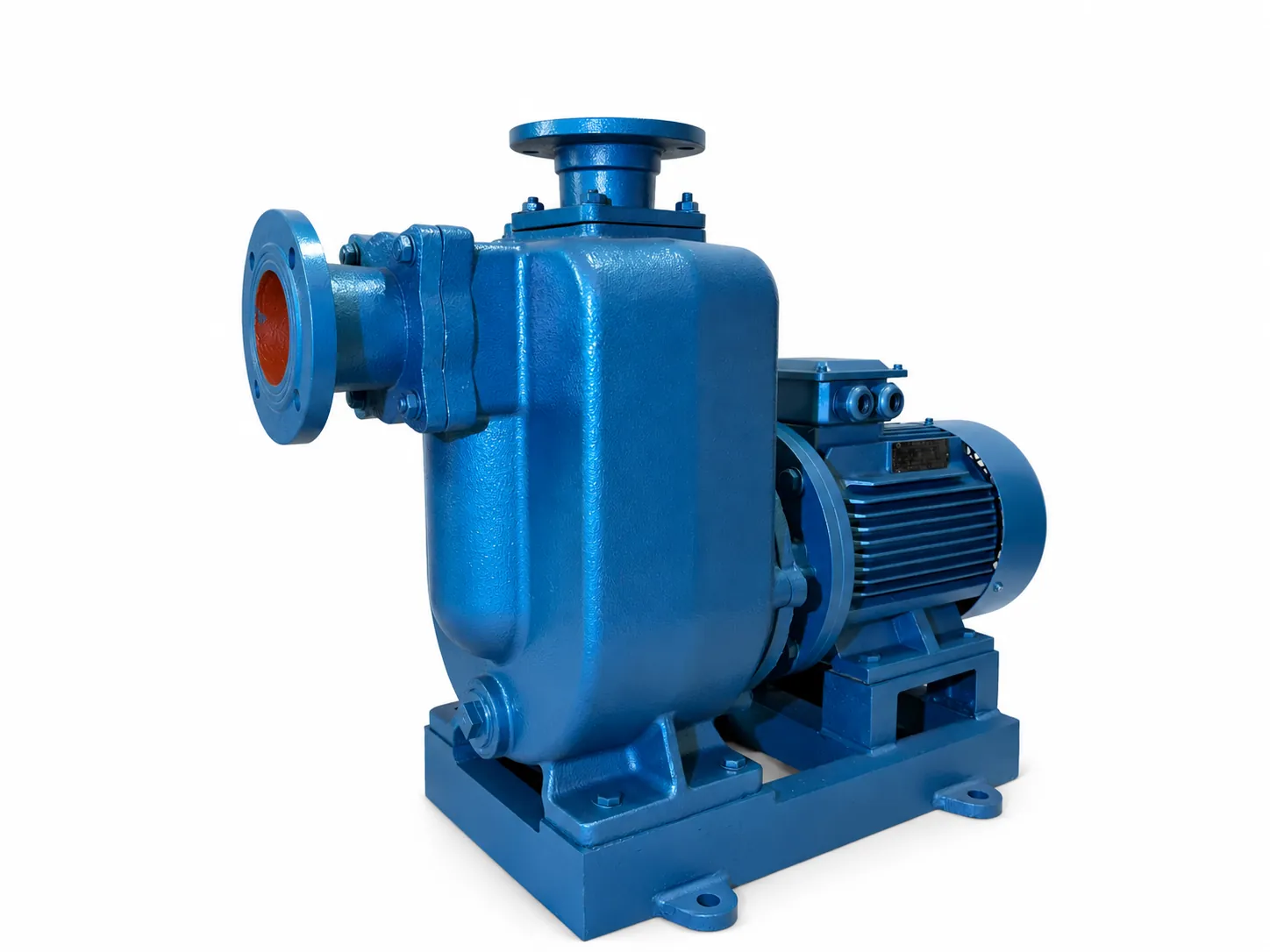
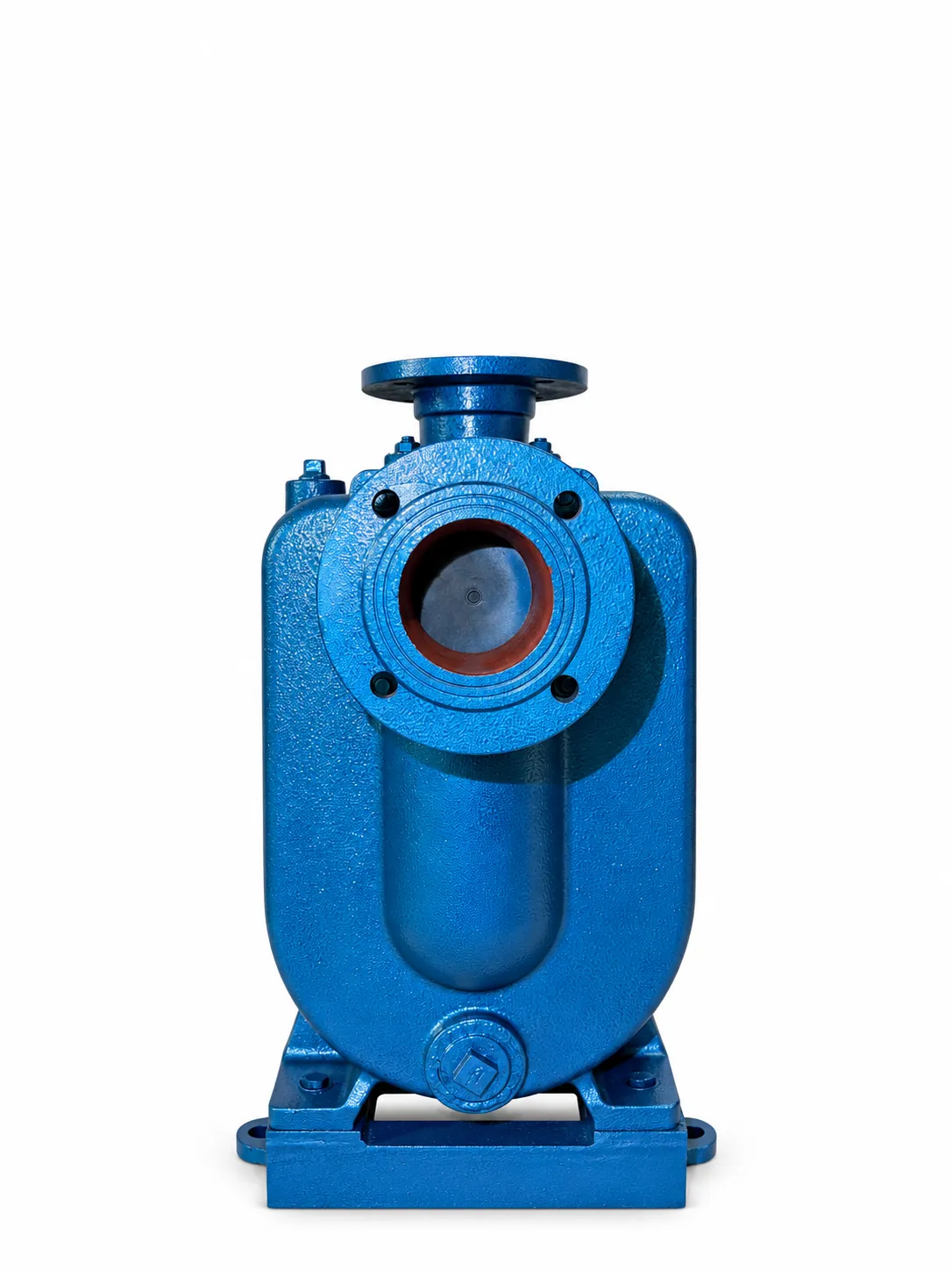
FOBENG’s current product routes include CDL/CDLF vertical multistage pumps, ISG/ISW centrifugal configurations and the ZW self-priming sewage series. Use the series as a starting point and keep model-specific confirmation within the inquiry.
For an overview of the selection sequence, read the Centrifugal Pump Selection Guide. If you are ready to discuss the requirement, send the completed items through the real contact form or email the company. Clear information and visible open questions are both useful inputs.
Turn the information into a selection discussion
Send the available duty, liquid, installation and power-supply information through the FOBENG inquiry form. Identify any open assumptions so the proposed configuration can be reviewed on the same basis. You can also use our quotation preparation guide before contacting us.
Use a clear revision when the requirement changes
Give each important version of the requirement a date or revision reference. When you change a duty value, material requirement, quantity or scope item, identify that change in the accompanying message. This lets the supplier review the affected part of the proposal without guessing which attachment contains the current instruction.
A useful reply can separate confirmed items, revised items and open questions. Include the relevant document reference beside each answer. Before placing an order, check that the final quotation and accepted drawings point to the same configuration and that any earlier alternatives have been clearly resolved.