Use the series name as the start of the comparison
CDL and CDLF identify vertical multistage pump series on the FOBENG website. A purchasing decision needs more information than the series label: the duty point, wetted materials, seal arrangement, motor supply, pressure conditions and dimensions should be confirmed for the actual model being proposed.
The supplied company materials discuss stainless internal components and material options within this product family. They also contain a CDLDF/CDLF naming variation, while the product photographs and the website use CDLF. For procurement, use the model and configuration stated in the quotation and technical documents, and clarify any difference in naming before an order is placed.
This guide provides a comparison method rather than a universal material rule for every manufacturer using similar letters. It is especially useful when a project specification says stainless multistage pump but leaves the particular components or liquid conditions unclear. A clear configuration makes proposals easier to compare and the eventual order easier to identify.
On this page
- Use the series name as the start of the comparison
- What the current series pages tell you
- Begin with one common operating requirement
- Ask for a component-level material description
- Keep the liquid and seal discussion connected
- Review pressure, temperature and electrical conditions
- Compare dimensions as well as hydraulic data
- A procurement comparison sheet
- Discuss the choice with the application in view
- Turn the information into a selection discussion
- Review a material difference as a documented choice
What the current series pages tell you
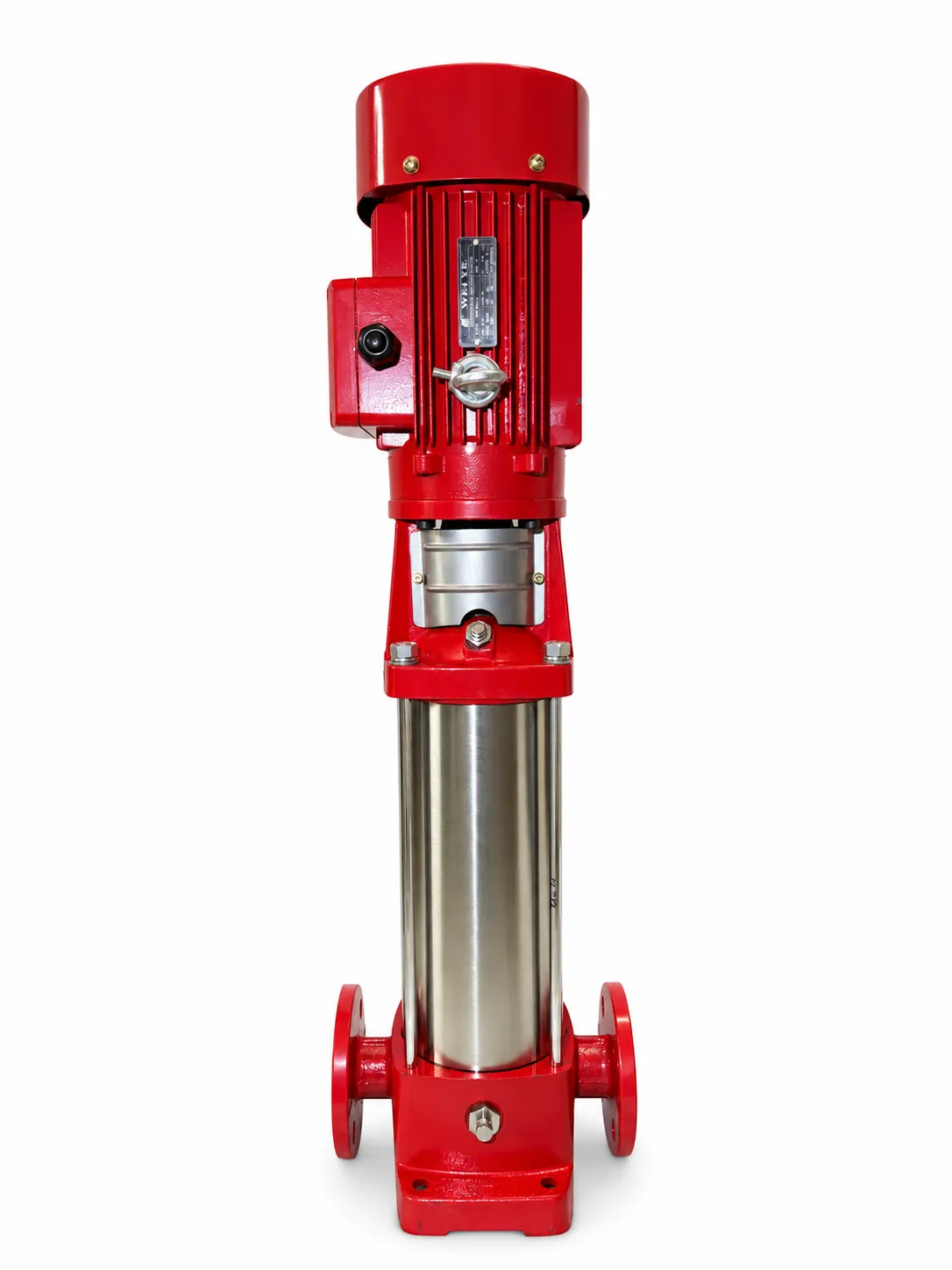
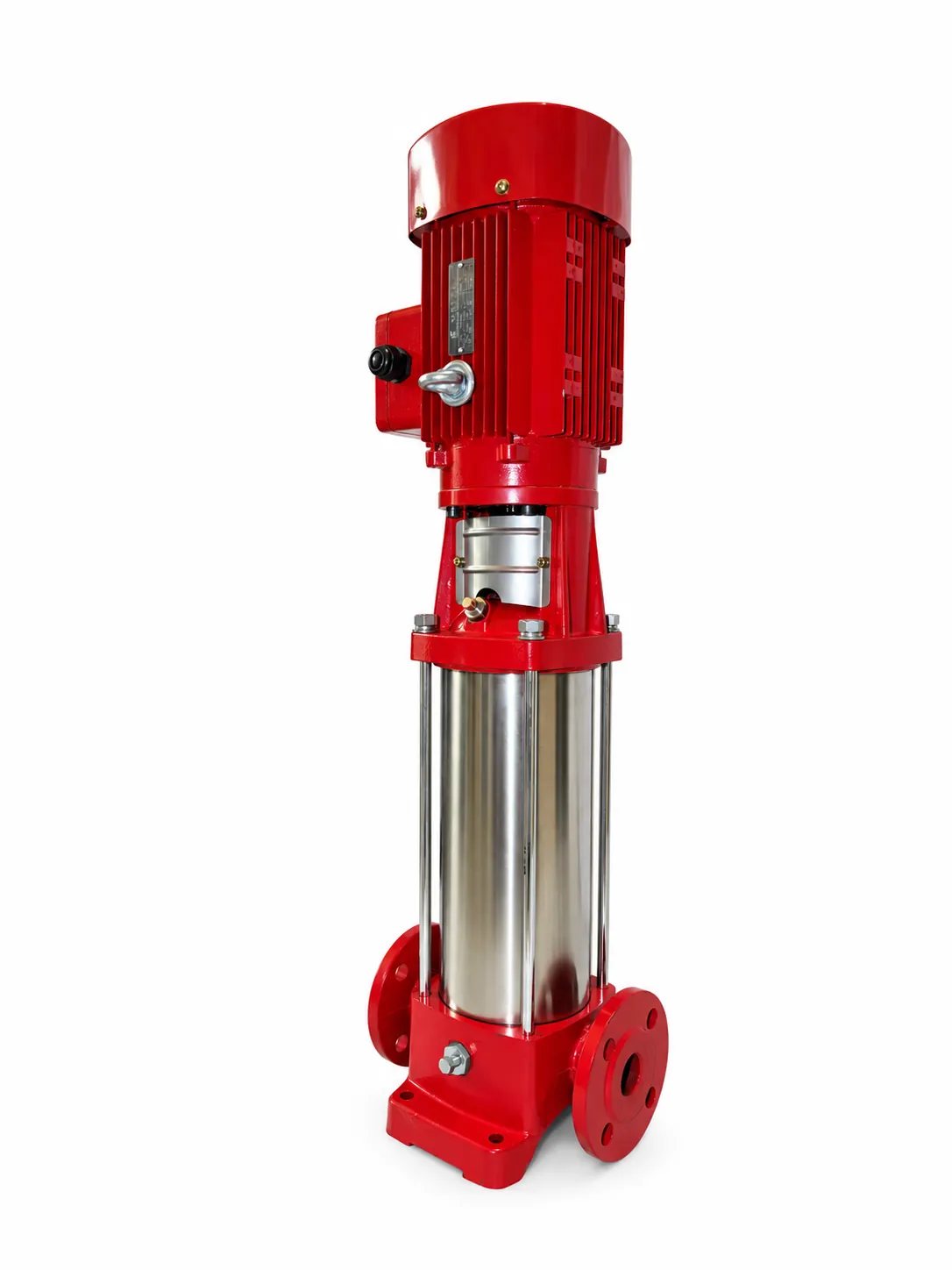
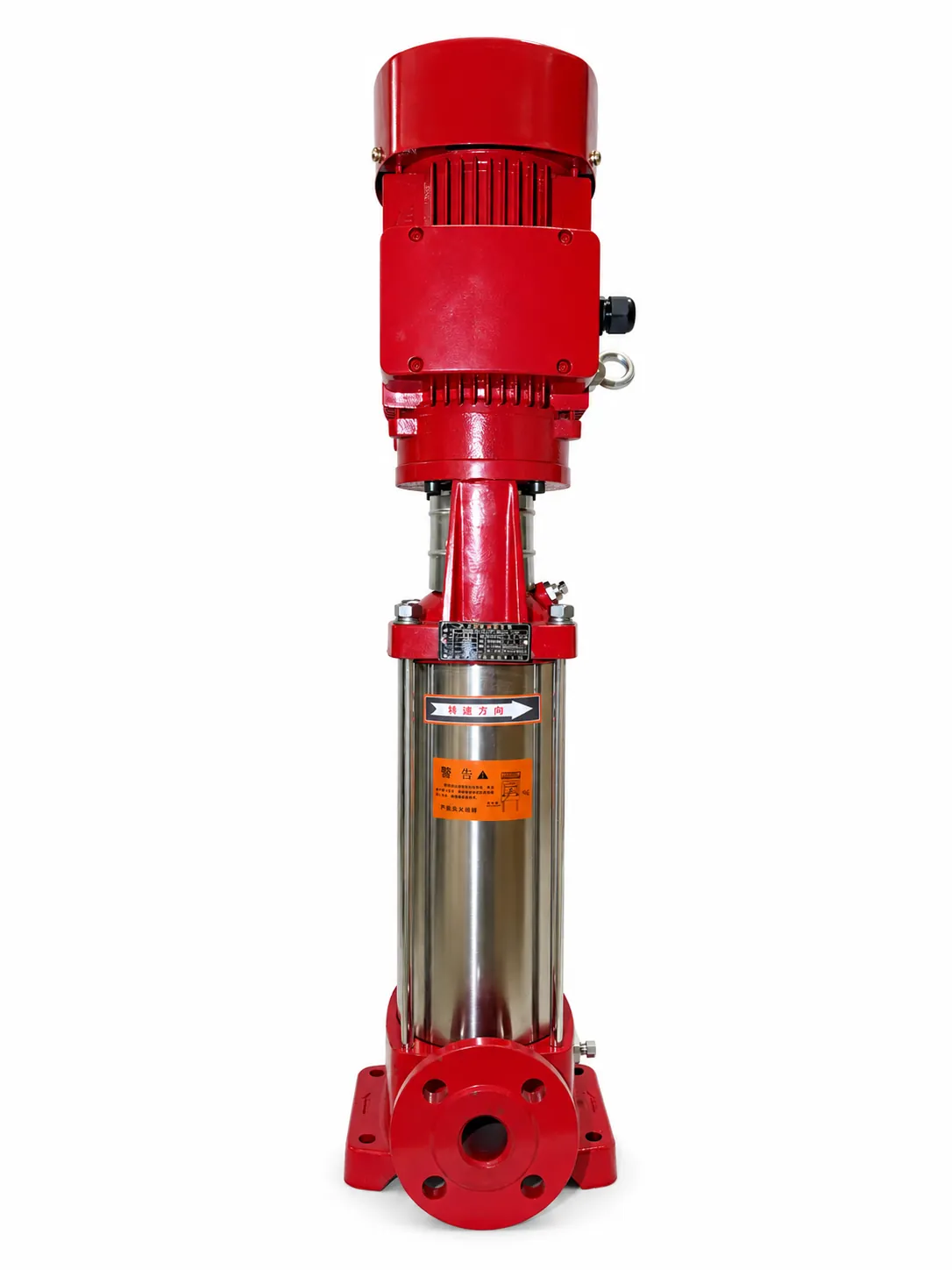
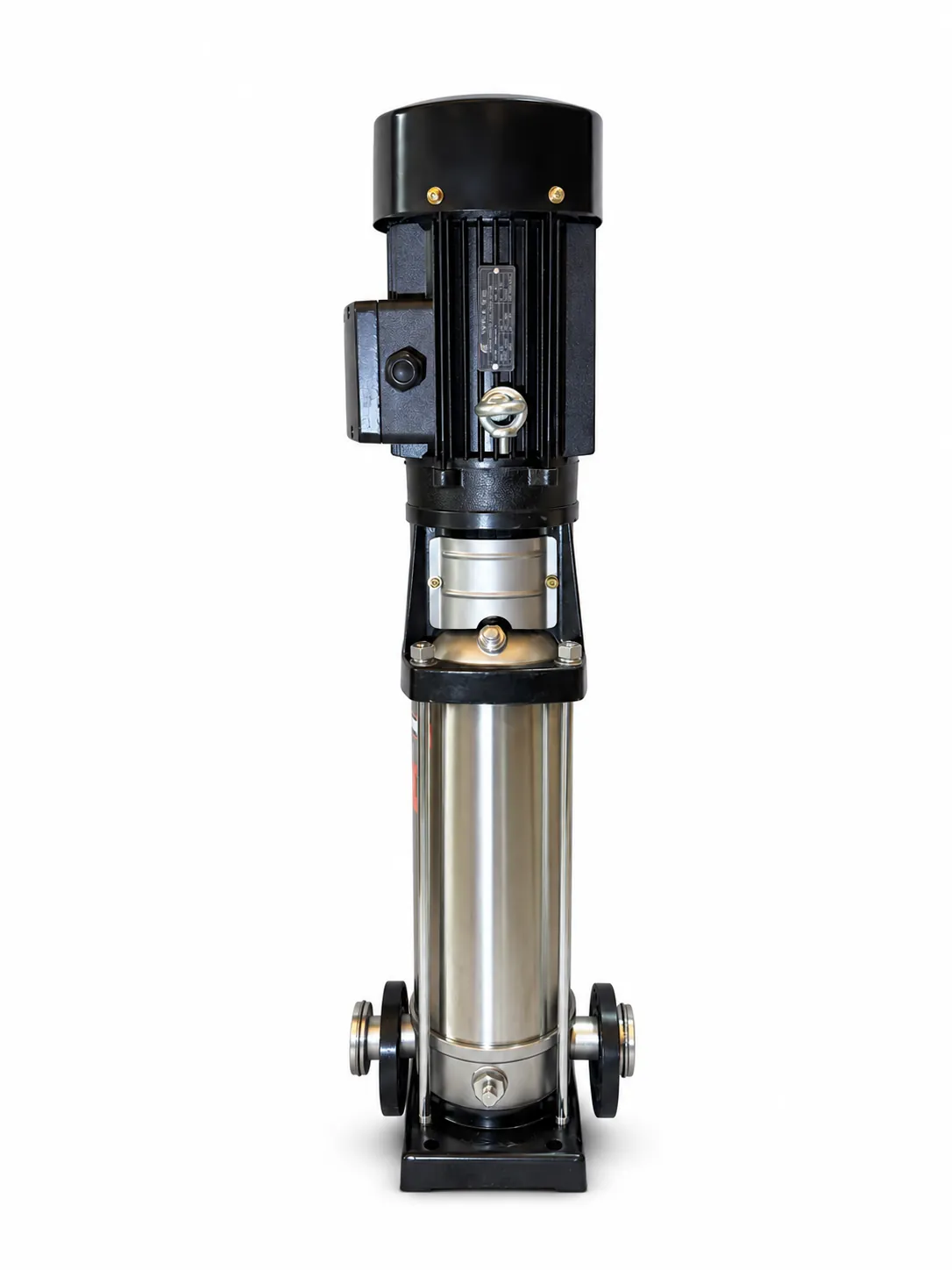
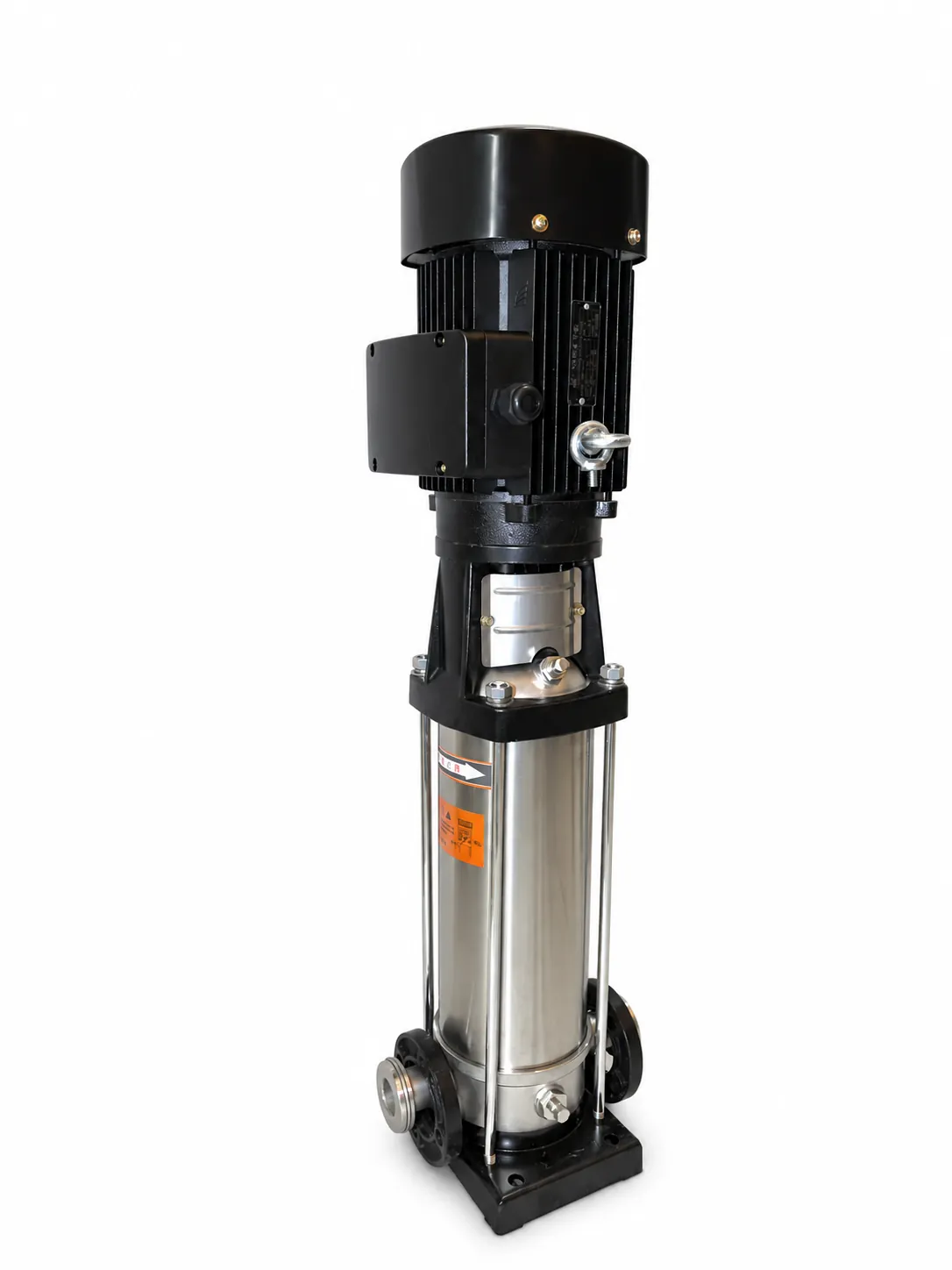
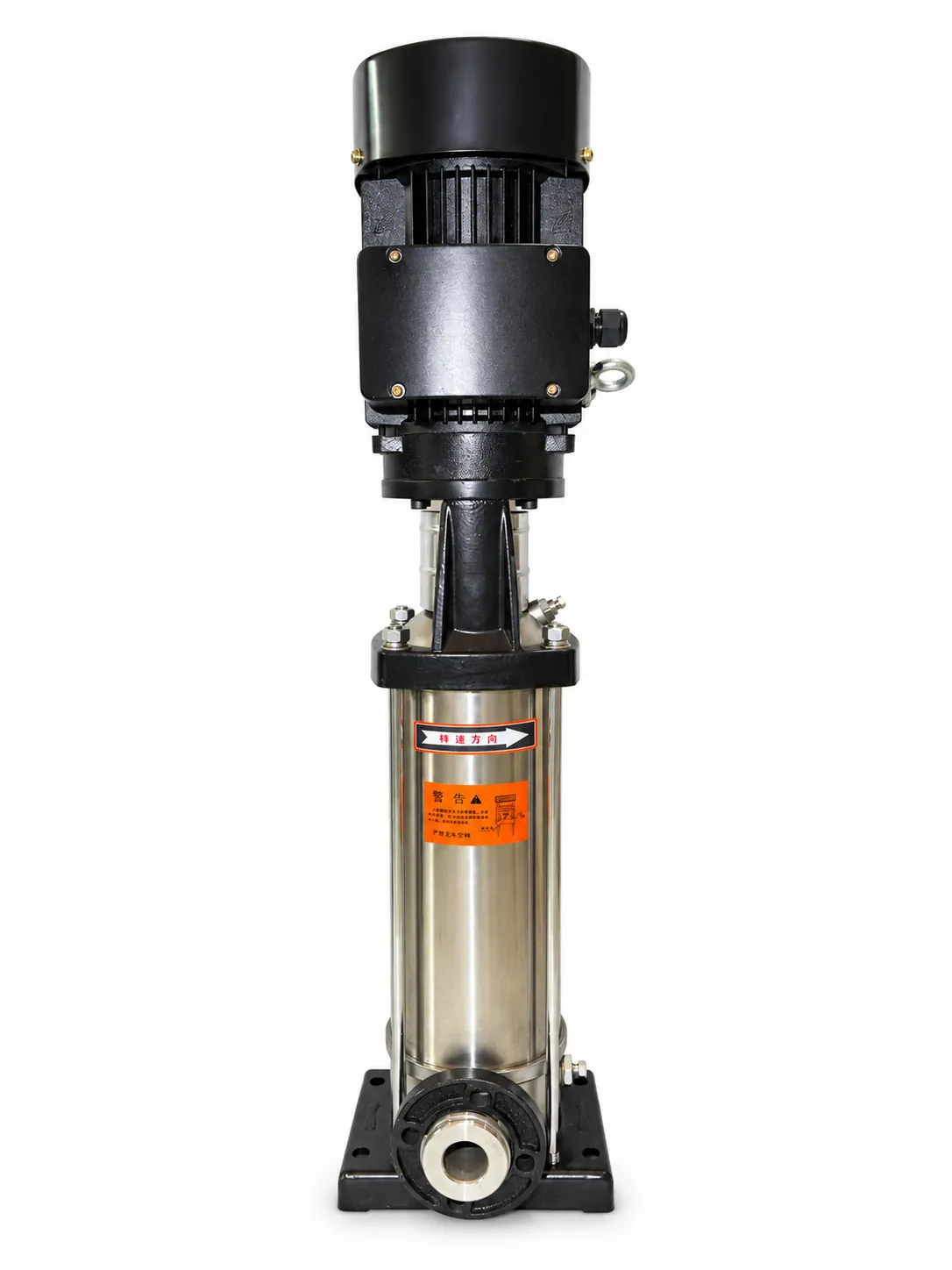
The CDL series page and CDLF series page introduce the available product routes and show the supplied product photographs. They support an initial discussion about a vertical multistage configuration for a suitable application.
Photographs help identify the visible construction and overall arrangement. They do not establish the material grade of every internal part, the seal specification or the performance at a requested duty. Use the pictures to recognize the series, then request the information that defines the particular model.
The same approach applies to a brochure or general description. A family-level statement may cover several configurations. Ask the written proposal to identify which arrangement is actually being offered, and keep that information associated with the curve and dimensional drawing for the proposed model.
Begin with one common operating requirement
Write one shared duty brief before comparing CDL and CDLF proposals. Include the application, liquid, required flow and head, inlet condition, temperature and power supply. If the operating requirement changes, identify the new revision so that both proposals are assessed against the same conditions.
A multistage-series comparison can become misleading when one proposal is considered at a different speed or operating point. Keep the model, curve and electrical configuration together. KSB’s operating-point explanation gives the general engineering context; the procurement comparison needs the actual offered pump information.
For variable conditions, identify the operating cases that matter rather than choosing independent maximum values. Explain whether the pump needs to cover a range of demand or work at a defined point. The proposed configuration can then be reviewed with the system requirements instead of ranked by a single catalogue maximum.
Ask for a component-level material description
| Part or property | Useful confirmation |
|---|---|
| Pump body and base | Actual material for the offered configuration and whether it contacts the liquid. |
| Impellers and internal stages | Specified material grades and the relevant wetted components. |
| Shaft and sleeves | Materials and any details significant to the intended liquid or service. |
| Mechanical seal | Seal arrangement and material combination for the operating conditions. |
| Elastomers | Material specified for the relevant seals or gaskets. |
| Connections | Material, size, flange arrangement and pressure requirements. |
The word stainless is useful background but leaves several questions open. A pump can contain different materials in different locations. State whether the specification concerns all wetted parts, selected components or another defined scope. This allows the supplier to answer with an itemized configuration.
If a project requests a particular grade, write the actual requirement and explain the liquid conditions behind it. Material selection depends on the service, including constituents and temperature. Avoid treating one grade as a general approval for all corrosive, high-salinity or chemically treated liquids.
Keep the liquid and seal discussion connected
Describe the liquid as it reaches the pump, including temperature and relevant constituents. Where a process uses chemicals or additives, provide the available composition or process specification. The material and seal review should address that service rather than only the name of the industry.
A statement such as mildly corrosive may mean different things to different buyers. Provide the information you have and identify any uncertainty. If another party issued the material specification, include the document and revision so the supplier can review a defined requirement.
The mechanical seal belongs in the same conversation. A material difference in one component does not by itself determine the suitability of the entire pump assembly. Ask which configuration is proposed and which operating limitations apply, then keep the confirmed answer in the order documentation.
Review pressure, temperature and electrical conditions
Ask for the applicable operating limits of the exact model and configuration. Include both inlet conditions and the required discharge duty. A series description or a similar pump used on another project does not establish that the proposed configuration satisfies the present pressure requirement.
State voltage, phase and frequency, together with any intended speed-control arrangement. Request the curve for the operating configuration being discussed. This helps keep the hydraulic and motor selection consistent and prevents comparisons between proposals based on different assumptions.
For water-treatment work, describe the stage in the process. A pump considered for transfer or filtration feed is not automatically confirmed for a particular reverse-osmosis or seawater duty. The water-treatment application page sets out the information needed to make that discussion specific.
Compare dimensions as well as hydraulic data
Vertical arrangements can be attractive where floor space is important, but the full installation needs review. Confirm the overall height, base and mounting arrangement, motor space, connection sizes and the actual flange positions. Include the clearance required for the service activities expected for that model.
In a replacement project, identify which pipe interfaces and dimensions are fixed. Send the existing drawing or marked photographs. A pump that appears similar can still require changes to connections or support. Record whether such changes are allowed before the supplier prepares a proposed arrangement.
For a new installation, coordinate the pump drawing with the equipment or piping layout. This is the point to identify conflicts between the pump, motor, maintenance access and adjacent equipment. Keep the final dimensional document tied to the selected model and configuration revision.
A procurement comparison sheet
| Review item | CDL proposal | CDLF proposal |
|---|---|---|
| Duty point and operating cases | Enter the proposed model and curve reference. | Enter the proposed model and curve reference. |
| Liquid and temperature | Record the stated service and limits. | Record the stated service and limits. |
| Wetted materials and seal | List confirmed components and grades. | List confirmed components and grades. |
| Motor supply | Record voltage, phase, frequency and control scope. | Record voltage, phase, frequency and control scope. |
| Dimensions and connections | Record the drawing revision and fixed interfaces. | Record the drawing revision and fixed interfaces. |
| Documents and inspection | Identify included records and exceptions. | Identify included records and exceptions. |
| Commercial scope | Compare quantity, included equipment and conditions. | Compare quantity, included equipment and conditions. |
Complete the sheet with information from the written proposals. Leave an item open when it has not been confirmed. The purpose is to expose a meaningful difference, including a documentation gap, rather than award a preference based only on the series letters.
When a difference affects the system or project specification, ask the responsible engineer to review it. Record the accepted configuration and any required change in the purchase documents. This produces a much clearer basis for supply than a conversation that switches between series labels without a defined model.
Discuss the choice with the application in view
FOBENG’s building pressure-boosting and water-treatment pages provide application routes for this family. Use them to organize the system questions, then bring the specific liquid, duty and installation information into the model discussion.
If the required model has not yet been identified, begin with the selection guide. If you are comparing quotations, use the RFQ checklist to ensure the proposals are based on the same information.
The useful outcome of a CDL/CDLF comparison is a documented configuration that suits the operating requirement. That outcome may require clarification of materials, seals, pressure conditions or dimensions before a purchase decision is made. Keep those clarifications with the quotation so the final order remains unambiguous.
Turn the information into a selection discussion
Send the available duty, liquid, installation and power-supply information through the FOBENG inquiry form. Identify any open assumptions so the proposed configuration can be reviewed on the same basis. You can also use our quotation preparation guide before contacting us.
Review a material difference as a documented choice
A practical comparison can begin with two proposals that appear hydraulically similar but describe materials differently. First check that both refer to the same liquid, temperature and operating requirement. Then identify which component differs and whether it contacts the pumped liquid. Ask for the material description to be stated in a way that can be carried into the order.
The next question is why that difference matters to the service. The process specification may require a defined material, or the supplier may propose an alternative for technical review. Keep the reason and the proposed exception together. A purchasing description such as upgraded stainless does not communicate the same information as a component and material statement.
Finally, check the documents that accompany the choice. The accepted configuration, curve and dimensional drawing should describe the same proposed pump. If one document still refers to an earlier option, request a consistent revision before approval. This approach makes the comparison useful to the buyer receiving the equipment as well as the person obtaining the quotation.
For repeat supply, retain that configuration record with the model and order reference. A later request can then distinguish an identical repeat requirement from a new service that happens to use the same series name.